

Many business owners assume a personal auto policy covers a work vehicle, but the line between personal and commercial use is where coverage gaps appear. What does commercial auto insurance cover for businesses? At its core, it pays for the risks your company faces when its vehicles are driven for work, not just commuting.
Commercial auto insurance is not a single standardized product. It combines mandatory coverages with optional add-ons that match how your vehicles actually operate—from carrying customer cargo to employees driving their own cars for work. Understanding each part helps you avoid gaps that could leave your business paying out of pocket after a collision, theft, or lawsuit.
What is Commercial Auto Insurance for Businesses?
Commercial auto insurance is a policy designed for vehicles owned, leased, or used by a business. It protects the business from financial losses when a work vehicle causes injury or property damage to others, is damaged in a collision or non-collision event, or carries goods that get lost or stolen in transit. Unlike a personal policy, commercial auto coverage is built around business use—whether that means a single contractor van, a small delivery fleet, or employees using their own cars for company errands.
It is not just a bigger personal policy. Commercial auto insurance can include higher liability limits, named driver schedules, coverage for rented vehicles, and protection for cargo. We review each of these pieces with you so the policy matches the way your vehicles are actually driven, not just the vehicle type.
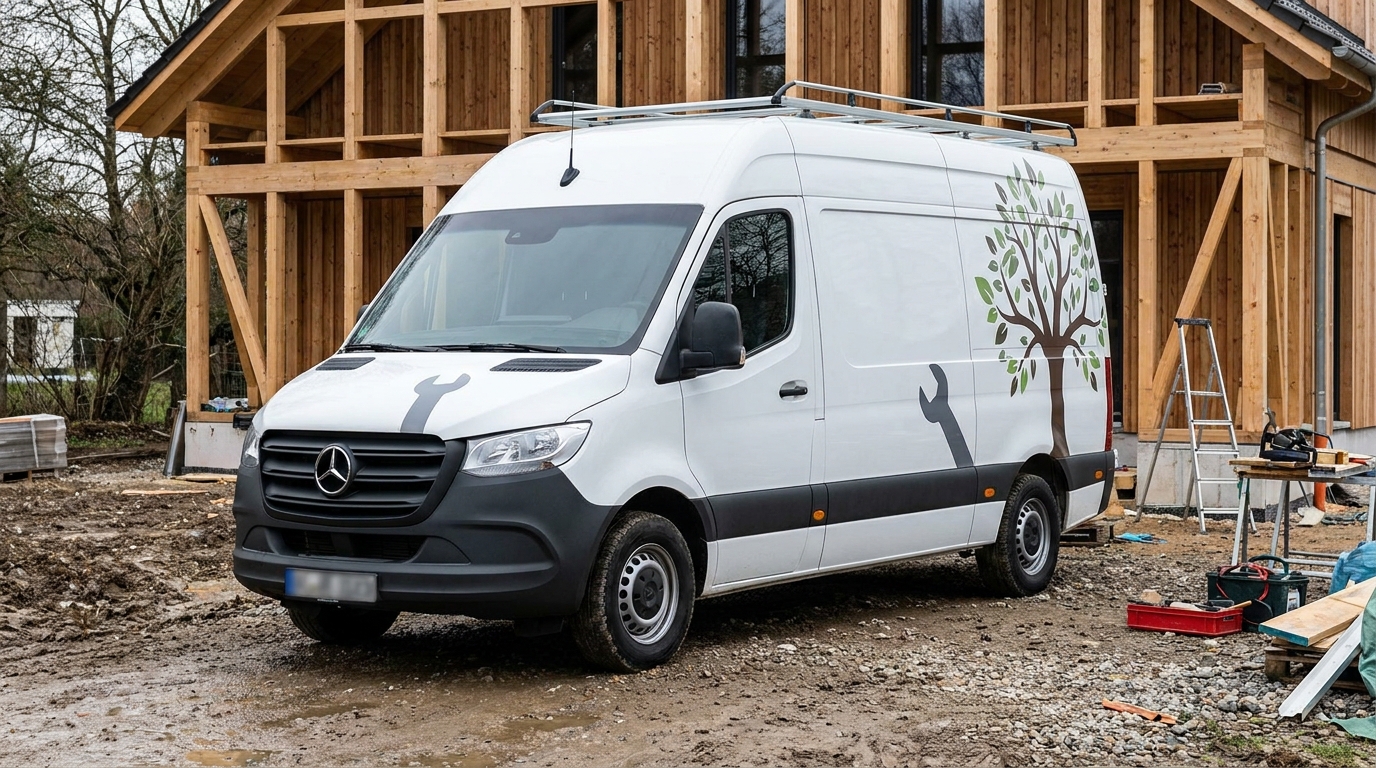
Mandatory Core Coverage: Liability and Accident Benefits
Every commercial auto policy in this jurisdiction must include two core coverages: third-party liability and accident benefits. These are not optional—they are written into the policy by law because the financial risk of injury to other people is too large for a business to absorb alone.
Third-Party Liability
Third-party liability covers bodily injury and property damage your business vehicle causes to someone else. If your driver rear-ends another vehicle at a stoplight, this coverage pays for the other party’s vehicle repairs, medical expenses, and legal defence if they sue. Commercial policies often carry higher limits than personal auto policies because businesses face greater exposure: a fully loaded work van can cause more damage than a compact car, and a court may hold the company responsible for the driver’s actions.
You should check the liability limits required in your client contracts. Many commercial clients and general contractors ask for a specific minimum limit before they let you on site. Our role is to confirm your policy meets those contract requirements so you do not get turned away from a job.
Accident Benefits
Accident benefits are no-fault coverages that pay for medical treatment, rehabilitation, and income replacement for the driver and passengers in your business vehicle, regardless of who caused the crash. They also provide death benefits if the worst happens. Because employees injured in a work vehicle may need wage loss support and extended therapy, this coverage is a critical safety net for both the worker and the business.
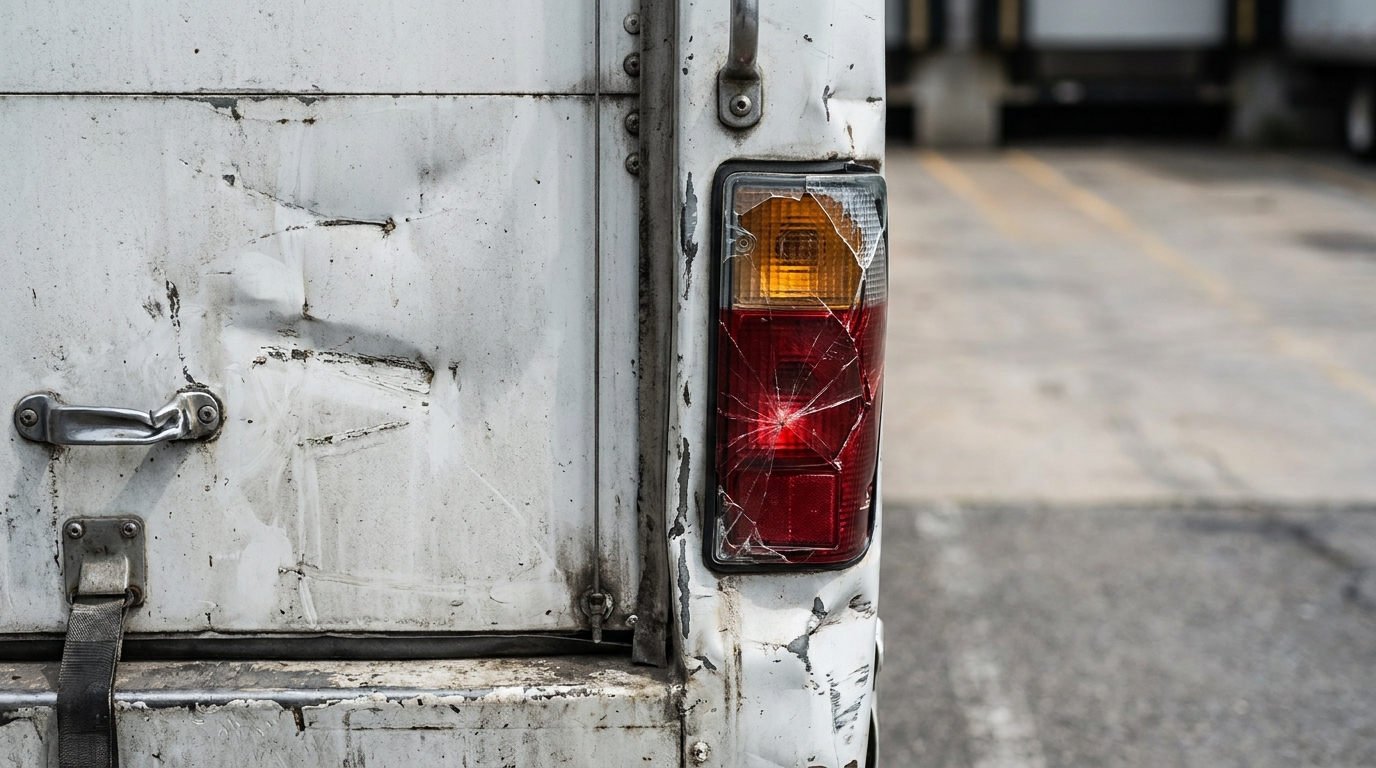
Physical Damage Coverage: Collision and Comprehensive
Physical damage coverage is optional but highly recommended for any business that relies on its vehicles daily. It pays to repair or replace your own vehicle when it is damaged, regardless of fault. There are two main parts: collision and comprehensive.
Collision Coverage
Collision coverage pays for damage to your business vehicle when it hits another vehicle or object, or rolls over. If a driver backs a service van into a loading dock pillar, collision coverage handles the repair after you pay the deductible. It applies whether your driver is at fault or not, though if another party is at fault, your insurer may recover the amount from them.
Comprehensive Coverage
Comprehensive coverage pays for damage to your vehicle from events other than collision: theft, fire, vandalism, falling objects, hail, windstorm, or hitting an animal. For businesses that park vehicles overnight in unsecured lots or carry branded vehicles that attract attention, comprehensive coverage is especially valuable. A stolen work truck or a vandalized delivery van can stop operations for days.
Together, collision and comprehensive are often called “own damage” coverage. We help you decide whether the value of each vehicle justifies the coverage, based on how old the fleet is and how essential each unit is to your revenue.
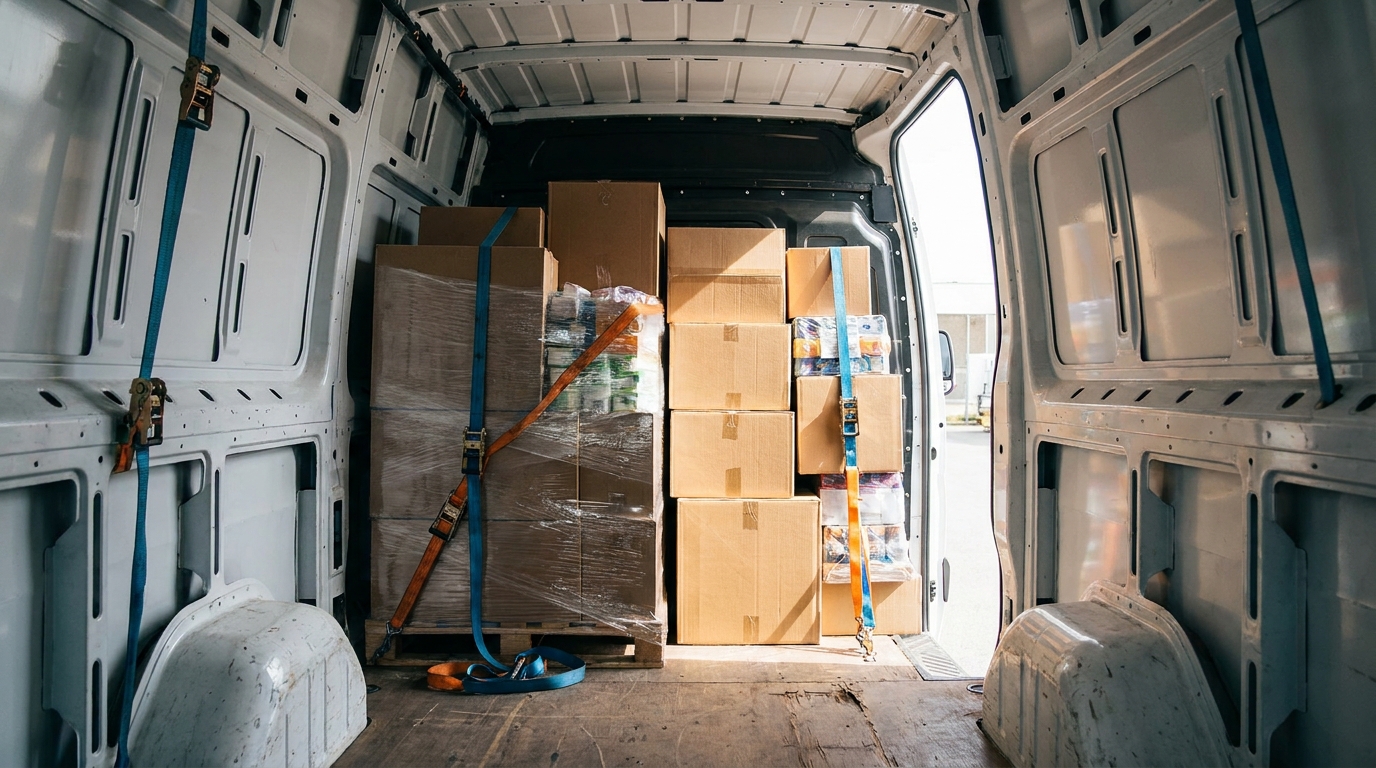
Cargo Coverage for Goods in Transit
Cargo coverage protects the goods or materials your business transports for clients. If you deliver appliances, building supplies, restaurant orders, or customer property, a standard commercial auto policy does not automatically cover the cargo inside the vehicle. Cargo coverage is a separate add-on that pays for loss or damage to those goods while they are in your care, custody, or control.
Common examples include a catering van that gets rear-ended and ruins the day’s meals, or a courier vehicle that is broken into and packages are stolen. Cargo coverage can respond to theft, collision, overturn, and sometimes spoilage or contamination, depending on the policy wording. You will need to list the type of goods you carry and their typical value, so the coverage limit matches your worst-case shipment.
Hired and Non-Owned Auto Coverage
Not every business vehicle is owned by the company. Employees may use their personal cars for client visits, or you may rent a van for a short-term project. Hired and non-owned auto coverage extends your commercial auto protection to those situations so a claim does not fall through the cracks.
Hired Auto Coverage
Hired auto coverage protects vehicles your business rents, leases, or borrows for business use. If you rent a cargo van for a week to handle a large order and the van is damaged in a collision, hired auto coverage can pay for the damage and any liability the business incurs. It often acts as primary coverage, meaning the rental company’s own policy is not your only fallback.
Non-Owned Auto Coverage
Non-owned auto coverage applies when employees use their personal vehicles for business errands. If an employee drives their own car to pick up supplies for your shop and causes an accident, their personal policy may deny the claim because the vehicle was being used for business. Non-owned coverage steps in to handle liability and sometimes physical damage, protecting both the employee and your business.
You must list every driver and maintain accurate records of who uses which type of vehicle. This is not just an admin task—it directly affects whether a claim is paid.
Business Use vs. Personal Auto Insurance
Personal auto insurance is designed for commuting, errands, and recreational driving. Once a vehicle is used for revenue-generating activity—delivering goods, transporting clients, carrying tools between job sites, or being driven by employees—the personal policy may no longer respond. Insurers treat that as a material change in risk, and a claim can be denied if the use was not disclosed.
When Personal Auto Insurance is Insufficient
Personal policies typically exclude or severely limit coverage for business use. If you use your car to deliver pizzas, haul construction materials, or visit customer locations as a core part of your work, a personal policy is not enough. Even occasional business use, like an employee running a bank deposit, can trigger a coverage gap. The key question is whether the vehicle is being used for a commercial purpose at the time of the loss.
Indicators That Commercial Coverage is Needed
- Vehicle is owned or leased by the business rather than an individual.
- Employees or contractors drive the vehicle for work tasks.
- Vehicle carries tools, equipment, or goods for clients on a regular basis.
- Vehicle has commercial branding or signage that advertises the business.
- Clients require proof of commercial auto insurance before the work starts.
Our brokers hold CIP and CAIB designations, which helps us review the fine print on each commercial auto policy against your actual vehicle use.
ICBC Requirements for Business Vehicles
The public insurer sets specific rules for vehicles used for business. Knowing these requirements keeps you compliant and prevents delays after an accident.
Commercial Vehicle Registration
Vehicles used primarily for business must be registered as commercial vehicles, not pleasure or commuter vehicles. The registration class determines the base coverages. You also need to declare the vehicle’s primary use accurately: delivery, service calls, transporting goods, or carrying passengers for hire. Misclassifying a vehicle as personal when it is actually used for business can invalidate a claim.
Reporting Vehicle Use
You must report any change in vehicle use to the insurer. If a vehicle previously used for commuting is now used for deliveries, that is a material change. Failing to report it means the policy may not cover a loss that happens during the new business use. We help clients complete the correct use declarations when they add a vehicle or change how an existing one is driven.

Coverage for Vehicle Wraps and Modifications
A vinyl wrap or signage on a work vehicle is a business asset, and it changes the risk picture. Even if the wrap is only cosmetic, it signals business use and should be disclosed to the insurer. A wrapped vehicle is also more likely to be targeted for theft or vandalism, which affects the policy.
If you add a wrap, you must report the modification to the insurer. The wrap is not automatically covered under a standard physical damage policy unless it is declared as an accessory or modification. If the wrap is damaged in a collision or fire, you want it included in the repair estimate. We document wraps and other modifications at the time of purchase so there is no dispute at claim time.

Tools and Equipment: Separate Coverage Needed
Tools and equipment carried in a work vehicle are almost never covered by commercial auto insurance. A commercial auto policy covers the vehicle itself, not the contents inside it. If a thief breaks into your van and steals a $3,000 laser level, the auto policy will not pay for it unless you have a separate equipment floater or commercial property policy that includes tools in transit.
We review what is typically in your vehicles and then add a separate tools and equipment policy or endorsement. This covers hand tools, power tools, and small equipment against theft, loss, or damage both on the job site and while in the vehicle. Do not assume the auto policy will handle it—list the tools and their value separately.
Common Exclusions in Commercial Auto Policies
No policy covers everything. Knowing what is excluded helps you plan around gaps instead of discovering them after a loss. Common exclusions in commercial auto policies include:
- Intentional damage caused by the driver or someone acting on the business’s behalf.
- Drivers not listed on the policy or excluded by name.
- Vehicles used for racing, speed tests, or off-road work unless specifically endorsed.
- Wear and tear, mechanical breakdown, or tire damage from normal use.
- Tools, equipment, or personal belongings stored in the vehicle.
- Certain high-value cargo such as cash, jewelry, or fine art unless declared.
- Pollution or contamination cleanup unless a separate environmental endorsement is added.
We go through the exclusions with you at policy setup and again at renewal, because your operations change and so do the gaps.
Frequently Asked Questions About Commercial Auto Insurance
- Do I need commercial auto insurance if I only use my car for occasional business errands? Occasional use can still trigger a coverage gap. If the errand is a core business activity—like delivering products or visiting clients—your personal policy may not cover an accident. It is safer to disclose the use and let us classify it correctly.
- Are my employees automatically covered when they drive my work vehicle? Only if they are listed on the policy. You must provide driver names and licence details. Unlisted drivers can result in a denied claim.
- Does commercial auto insurance cover goods I transport for clients? Only if you add cargo coverage. The base policy covers the vehicle and liability, not the goods inside. You need a separate cargo limit based on the type and value of goods you carry.
- What if I rent a vehicle for a business trip? Hired auto coverage can be added to your commercial auto policy. It protects rented or borrowed vehicles used for business, covering damage and liability.
- Will my commercial auto policy cover my tools if they are stolen from the van? No. Tools require a separate tools and equipment policy. The auto policy only covers the vehicle itself.
- Do I need to tell the insurer about a vehicle wrap? Yes. A wrap signals business use and modifies the vehicle’s appearance. Disclose it so the wrap is included in physical damage coverage if it is damaged.
If you are not sure whether your current policy matches how your vehicles are actually used, start by listing every vehicle, every driver, and every type of cargo. That list is the fastest way to spot a gap.
Working from a home office? Learn how tenant insurance covers business equipment so your tools and computers aren't left uninsured outside the vehicle.