
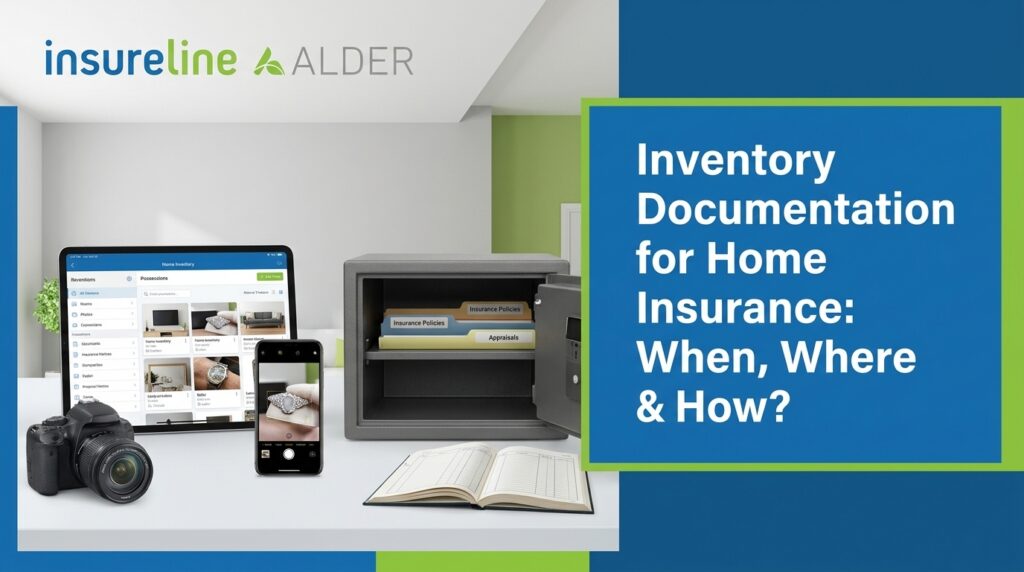
When a sudden loss occurs, trying to recall every possession from memory is incredibly stressful and often leads to missing assets during the recovery process. Thorough documentation is the foundation of a resilient property policy. As managing directors who have spent over 25 years combined in the industry, we frequently hear clients ask: How often should you document the inventory for potential home insurance claims? Where should you keep the records? What about the dollar amount? The short answer is that your documentation should be a living record, updated continuously to reflect your current assets, securely backed up offsite, and meticulously detailed with accurate financial valuations.
We believe in educating the client first and explaining coverages in layman terms. By maintaining an accurate log of your belongings, you empower us to advocate for you with underwriters and ensure you have the exact protection you need. Below, we outline the best practices for creating and maintaining a robust asset record.
Renters often assume a landlord’s policy covers their stuff; learn why it doesn’t and what tenant insurance for your belongings actually protects.
How Often to Update Your Home Inventory: Annual and Periodic Checks
Establishing a Consistent Annual Review Routine
Maintaining an accurate record requires a dedicated routine rather than a one-time effort. We recommend conducting a comprehensive review of your household belongings at least once a year. This aligns perfectly with our mandatory reviews at renewal, ensuring your coverage matches your actual possessions. Our team, led by Gurtaj Bahad and Michael Puni, always focuses on the early identification of coverage gaps. By auditing your belongings annually, you prevent situations where accumulated assets exceed your policy limits.

Triggering Immediate Updates After Major Purchases
While an annual check is essential, significant acquisitions require immediate attention. If you acquire high-value electronics, fine art, or specialized equipment, update your logs right away. How often should you document the inventory for potential home insurance claims? Where should you keep the records? What about the dollar amount? For major purchases, the answer is immediately. Waiting until your annual review leaves a window where your newest and most valuable items remain completely unprotected.
Documenting Dollar Amounts: Prioritizing High-Value Belongings
Categorizing Items by Replacement Value
What about the dollar amount? This is a critical factor when structuring your coverage. Gurtaj Bahad, holding CIP and CAIB designations, brings a numbers-first mindset to our brokerage, emphasizing the importance of accurate valuations. You must record the replacement value of your items, which is the financial amount required to purchase that item brand new today. Categorize your belongings into high, medium, and low-value tiers to prioritize your documentation efforts effectively, ensuring your most valuable assets receive the most detailed attention.
Gathering Appraisals and Proof of Value for High-Ticket Assets
For high-ticket assets, simply writing down a number is not enough. You must gather formal appraisals, receipts, and certificates of authenticity. We have extensive experience managing large portfolios, including fifteen million dollar books of business, and we know firsthand that underwriters require concrete proof of value for significant claims. Advocating for our clients is much more successful when we have undisputed, professionally appraised dollar amounts on file.

Leveraging Technology for Accurate Inventory Documentation
Using Dedicated Home Inventory Applications
Modern technology makes tracking your assets easier than ever. Dedicated applications allow you to scan barcodes, input details, and export comprehensive reports. As a comprehensive destination for your portfolio, we appreciate when clients use digital tools because it allows for clear and professional communication during the policy review process. Digital logs can be easily updated and shared with your broker to verify your limits are adequate.
Capturing Comprehensive Video and Photo Evidence
A visual record is undeniable proof of ownership and condition. Walk through each room slowly, recording video while narrating the details of the items, including serial numbers and brand names. Open drawers and closets to capture the sheer volume of everyday items. We always stress that a simple video walkthrough can be the difference between a smooth resolution and a disputed file.

Secure Record Storage: Offsite and Digital Solutions
Utilizing Cloud Storage for Reliable Backups
Where should you keep the records? The most vulnerable place to store your documentation is inside the property it details. Cloud storage provides a secure, accessible backup that survives any localized physical damage. Uploading your videos, photos, and digital logs to a secure server ensures that even if your computer or physical documents are destroyed, your evidence remains perfectly intact.
Maintaining Physical Copies in a Secure Offsite Location
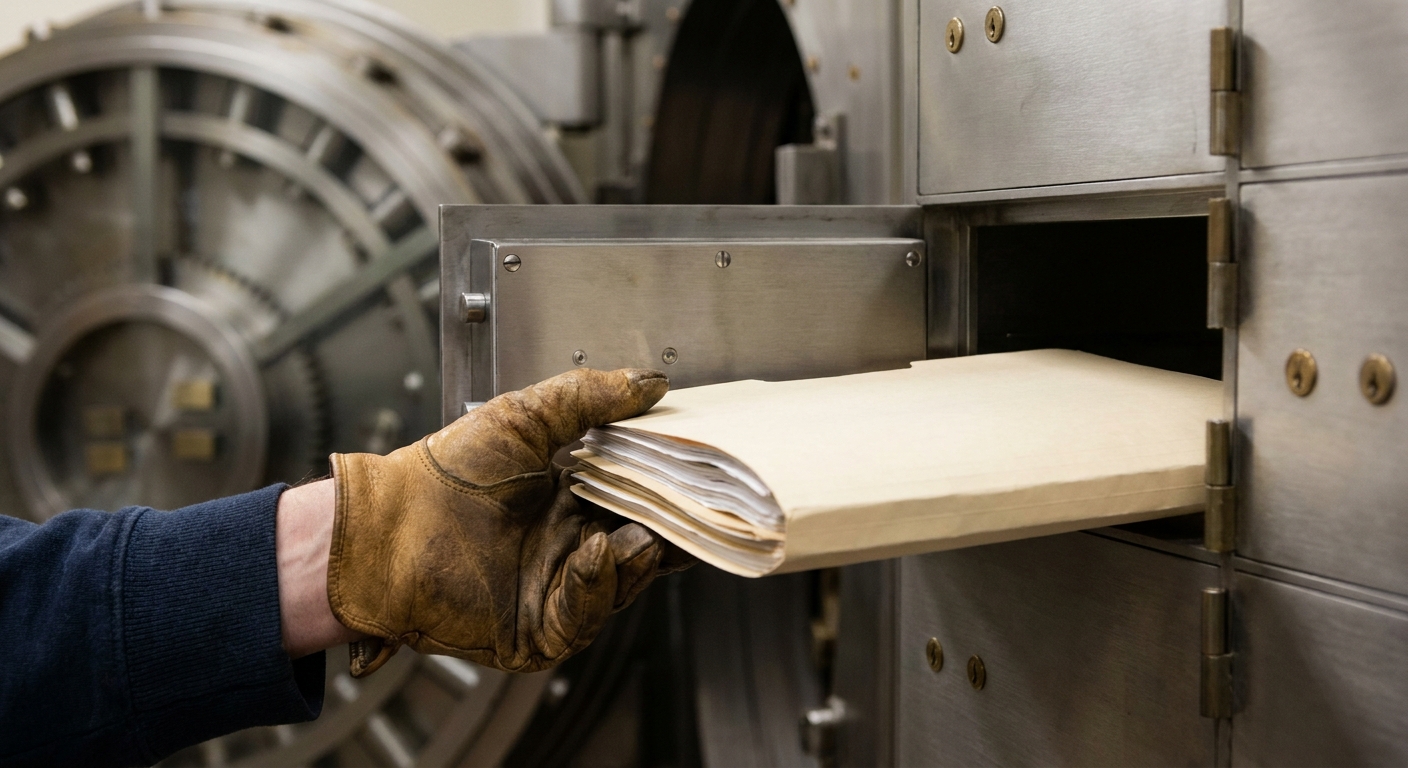
If you prefer physical documents, they must be stored offsite. A safety deposit box or a secure filing cabinet at a trusted family member’s house are excellent options. Michael Puni, drawing on years of practical problem-solving and real-world service as a Level 2 Broker, advises clients to always have a redundant physical copy. This ensures you are never locked out of your information during wide-scale power or internet outages.
Reconciling Your Inventory: Ensuring Accuracy Before a Claim Occurs
Conducting a Thorough Year-End Inventory Audit
How often should you document the inventory for potential home insurance claims? Where should you keep the records? What about the dollar amount? Reconciling your data annually answers all these concerns in one cohesive process. A year-end audit involves comparing your digital and physical lists against what is actually in your home. Remove items you have sold or donated and add new acquisitions. With a 95 percent client retention rate, we see that clients who actively reconcile their records experience significantly smoother resolutions.
Condo owners should also check where strata coverage stops and personal coverage begins; this breakdown of strata versus personal condo coverage shows the gaps your inventory needs to address.
Aligning Your Documentation with Your Insurance Policy Limits
Once your audit is complete, the final step is ensuring your documented values align with your policy limits. If the total dollar amount of your belongings exceeds your current coverage, you are underinsured. We work with national providers like Aviva, Intact, and Wawanesa to tailor the exact solutions that fit your changing needs. Continuous updates on your status throughout the process ensure you are never caught off guard.
To make sure your documented totals match reality, use this plain walkthrough on calculating how much home insurance you actually need.
Next Steps: Safeguarding Your Assets with Proactive Record Keeping
Your belongings represent a significant financial and emotional investment. Consistent tracking, secure storage, and accurate valuations are non-negotiable for robust protection. We are open seven days a week to assist you with any questions about your coverage or documentation strategies. By implementing a proactive approach today, you guarantee that your assets are accurately represented and fully protected for the future.
Many losses aren’t covered by base policies, so review which earthquake and water damage add-ons can close the gaps before a claim.