
If you are asking yourself, How to compare different home insurance quotes?, the secret lies in scrutinizing the underlying coverage details rather than simply skimming the summary page. A policy proposal is a complex legal document that outlines exact terms, limits, and exclusions. Securing the exact protection your property demands requires a critical eye to ensure that no hidden gaps leave your most valuable asset exposed to unforeseen risks.
Because every property has a unique architectural footprint and risk profile, evaluating these proposals demands more than a quick glance. By systematically breaking down the coverage tiers, payout structures, and specific endorsements, homeowners can make informed, objective decisions that prioritize comprehensive risk management and long-term peace of mind.
Why Comparing Home Insurance Quotes is Essential for Homeowners
Accepting the first policy proposal you receive can inadvertently leave you underinsured or burdened with unfavorable terms. Comparing multiple offers is essential to secure the most appropriate protection for specific property risks. Different underwriters assess risk differently, meaning the terms, deductibles, and coverage limits can vary drastically from one proposal to the next.
With over 25 years of combined experience and a 95% client retention rate, our team understands that early identification of coverage gaps is crucial. We manage a portfolio of over $15 million, which has taught us that educating the client first and explaining coverages in layman’s terms is the best way to advocate for your interests. When you actively compare your options, you empower yourself to find a tailored solution that perfectly aligns with your property’s specific needs.
Information You Need to Gather Before Requesting Quotes
Before you can accurately evaluate any policy proposal, you must present a clear, detailed picture of your risk profile to the underwriters. Providing consistent and accurate information ensures that every proposal you receive is based on the exact same baseline data.
Detailing Your Property Specifications and Building Materials
Underwriters require precise data regarding your residence. To ensure accurate proposals, you must provide:
- The age and total square footage of the property.
- The construction materials used for the foundation and exterior.
- The current state and age of your roof, electrical wiring, and plumbing systems.
Our Managing Director, Michael Puni, a Level 2 Insurance Broker, brings hands-on experience and practical problem-solving to this discovery phase, ensuring that every architectural detail and recent upgrade is accurately recorded to prevent misrepresentation.
Documenting Your Personal Claims History
Your personal insurance history plays a significant role in how underwriters structure your terms. Gather records of any past claims, including the dates, the nature of the incidents, and the payout amounts. Full transparency during the initial discovery discussion allows us to tailor the right solutions and advocate effectively on your behalf.

Comparing the Four Main Types of Home Insurance Policies
Understanding the standard tiers of protection is vital when answering the question: How to compare different home insurance quotes? effectively. Not all policies offer the same level of shelter against perils.
Comprehensive and Broad Coverage Options
A Comprehensive policy is the most inclusive tier, covering the building and personal property against all sudden and accidental risks, except for those specifically excluded in the contract. A Broad policy serves as a middle-tier option; it typically provides comprehensive protection for the physical structure but only covers personal belongings against specific, named perils.
Basic and No-Frills Policies
Basic policies, often referred to as named-perils coverage, only protect against explicitly listed risks, such as fire or wind. No-Frills policies offer the absolute minimum protection and are generally reserved for properties that do not meet standard insurability requirements, perhaps due to ongoing construction or significant structural issues.
How to Ensure an Apples-to-Apples Quote Comparison
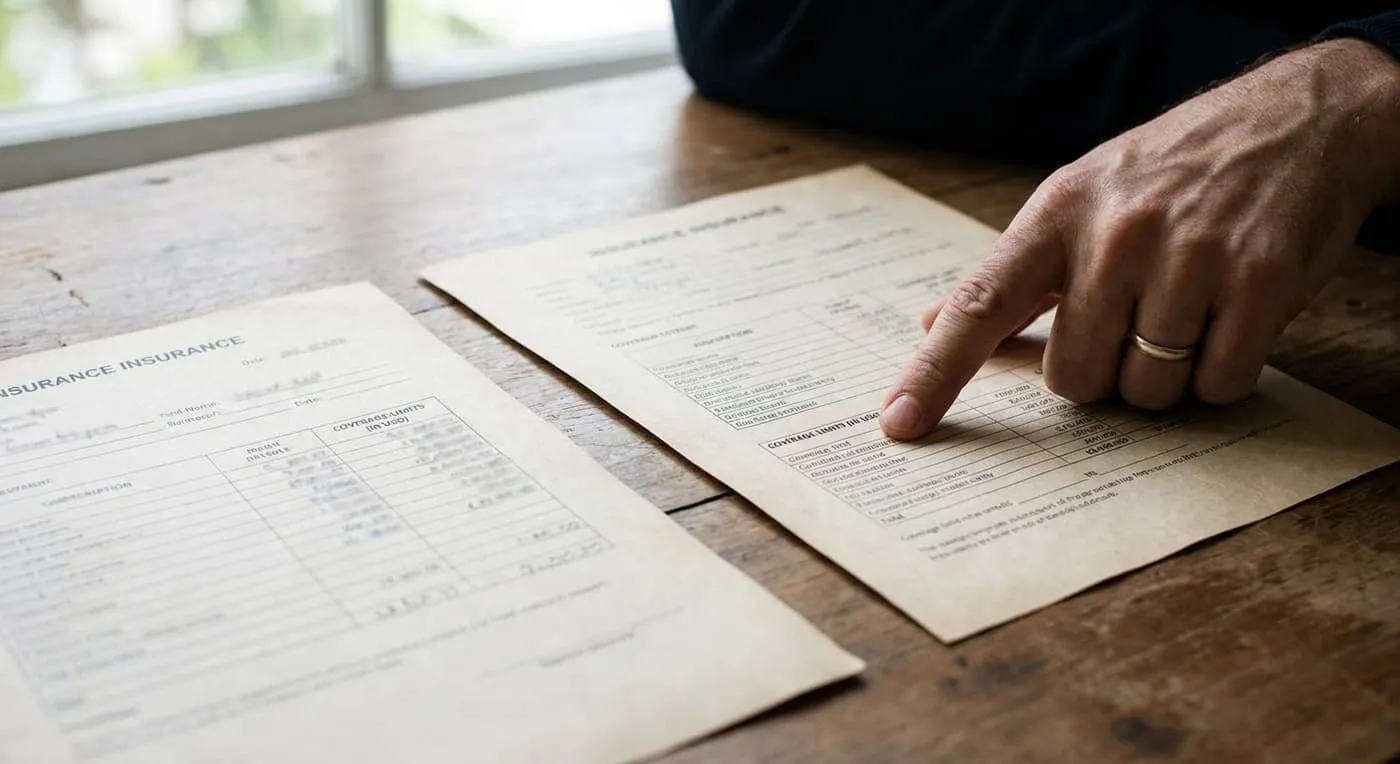
A fundamental rule for How to compare different home insurance quotes? is ensuring that discrepancies in the fine print do not distort your evaluation. To make a fair assessment, you must align the variables across every document.
Matching Coverage Limits and Deductibles
Ensure that the coverage limit for your main dwelling, detached structures, and personal property is identical across all proposals. Similarly, check the deductibles—the amount you agree to absorb before the policy responds. Our Managing Director, Gurtaj Bahad, utilizes his Chartered Insurance Professional (CIP) and Canadian Accredited Insurance Broker (CAIB) designations to apply a numbers-first mindset, ensuring that deductibles and limits are perfectly matched for an accurate comparison.
Aligning Policy Terms and Conditions
Beyond the primary limits, scrutinize the conditions regarding additional living expenses and liability protection. We always conduct a multi-carrier market search to provide comparisons that highlight the specific risks of each policy type, ensuring you understand exactly how the terms differ from one underwriter to another.
Evaluating Payout Options: Replacement Value vs. Actual Cash Value
The method an underwriter uses to calculate a claim settlement dramatically impacts your recovery after a loss. When evaluating proposals, you must check whether the payout is based on Replacement Value or Actual Cash Value.
Replacement Value coverage ensures that your claim settlement reflects the amount required to restore or replace items with new equivalents of similar quality, without any deduction for depreciation. Conversely, Actual Cash Value factors in depreciation, meaning the settlement is based on the current, used condition of the lost items. We always recommend reviewing these payout structures carefully, as they dictate your out-of-pocket responsibilities during a claim.

Analyzing Standard Coverages, Add-Ons, and Exclusions
The true strength of a policy is often hidden in its endorsements and exclusions. A thorough review of these elements is mandatory to prevent devastating surprises during a loss.
Identifying Common Policy Exclusions
Every policy contains exclusions—specific situations or perils that the underwriter will not cover. Common exclusions often include gradual wear and tear, insect damage, or specific types of water ingress. Clear and professional communication is one of our core values, and we take pride in identifying these exclusions early so you know exactly where your protection ends.
Evaluating Optional Endorsements for Environmental Risks
Depending on your property’s exposure, you may need to add optional endorsements for environmental risks like overland flooding, sewer backup, or earthquakes. By leveraging our large network of industry colleagues and open 7-days-a-week service, we advocate for you with underwriters to secure these essential add-ons, tailoring the coverage to fit your exact environmental exposures.
Understanding Local Home Insurance Regulations and Oversight
The insurance industry operates under strict guidelines set by regional financial services authorities and regulatory councils. These governing bodies oversee the licensing of brokers and adjusters, ensuring that all market participants adhere to high standards of fairness, transparency, and ethical conduct.
Working with a brokerage that is an active member of professional associations, such as the Insurance Brokers Association, guarantees that your advisor is held to rigorous professional standards. This regulatory oversight protects policyholders and ensures that the advice you receive is objective, compliant, and always in your best interest.

Next Steps: Selecting the Right Policy for Your Home
Finalizing your insurance choice requires confidence in the details. Once you have meticulously compared the coverage limits, payout structures, and specific endorsements, you can select the policy that delivers the most robust protection for your unique situation.
At InsureLine Alder, we are committed to being your one-stop insurance shop. From the initial discovery discussion to policy finalization, we provide continuous updates on your status. Our dedication extends far beyond the initial setup; we offer a 24-hour response guarantee, assist you hands-on during the claims process, and perform mandatory reviews at renewal to ensure your coverages remain optimal year after year. By partnering with experienced professionals, you gain the peace of mind that comes from personalized risk management.