
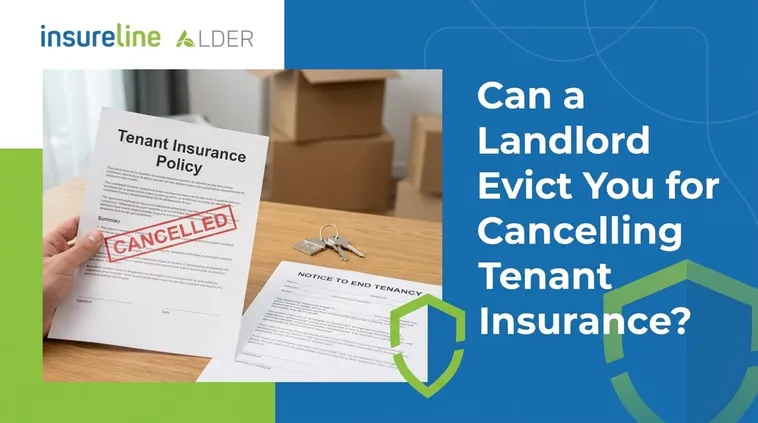
Yes, in most cases, a landlord can legally begin eviction proceedings if you cancel your tenant insurance and your tenancy agreement requires you to maintain it. Tenant insurance is often written into residential tenancy agreements as a condition of renting. When you sign that agreement, you agree to keep the coverage in force for the entire tenancy. Cancelling it without replacing it can put you in breach of a material term, which is a common ground for a one-month eviction notice for cause.
However, eviction is not automatic. Landlords must follow strict notice and dispute resolution procedures, and tenants have the right to challenge the eviction. The key is acting quickly, knowing what the agreement says, and understanding the legal thresholds for a material breach. We regularly review tenancy agreements with renters and see how small lapses in insurance can quickly turn into housing instability. Let’s break down the legal mechanics and your options step by step.
Can a Landlord Require Tenant Insurance?
Legal Basis for Requiring Insurance
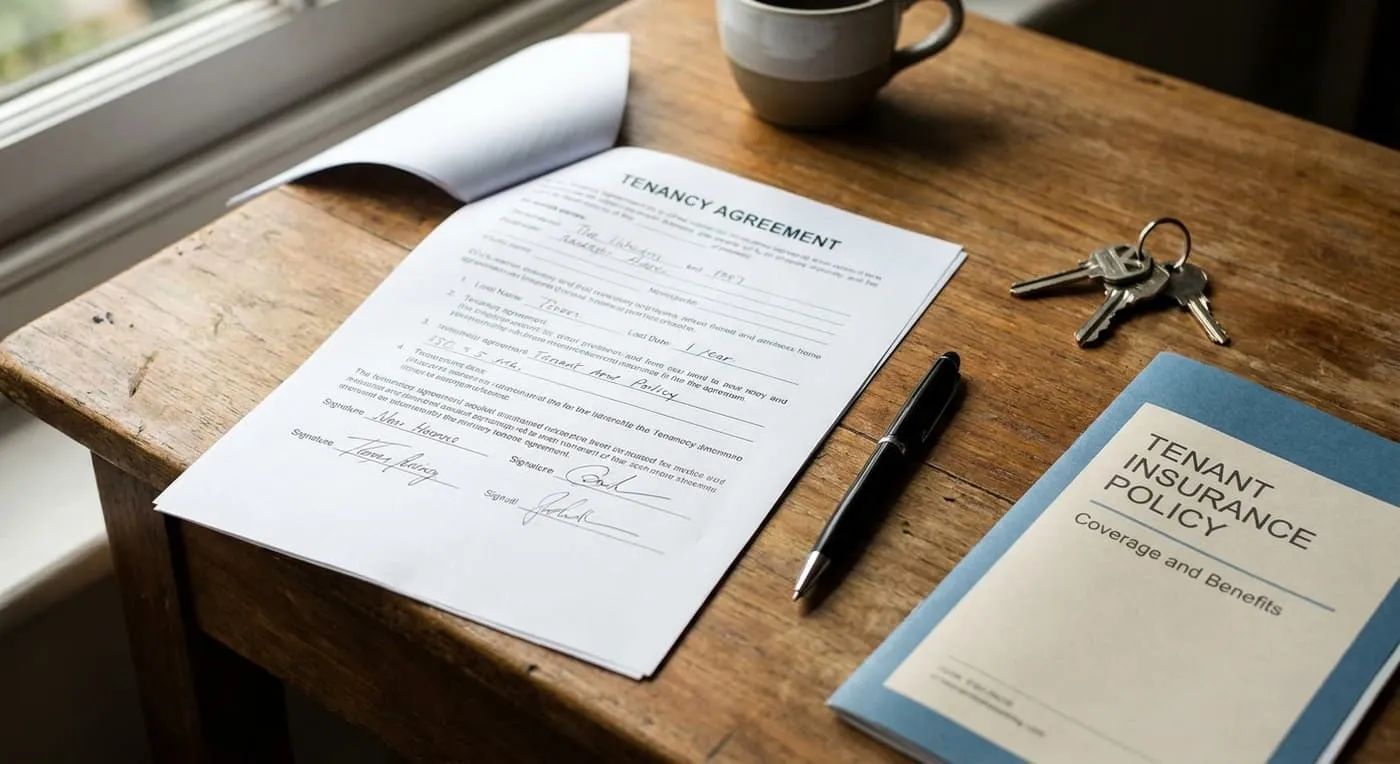
Landlords have the right to set reasonable terms in a tenancy agreement. Requiring tenant insurance is widely accepted because it protects the landlord’s property and reduces liability risk. The law does not prohibit a landlord from making insurance a condition of tenancy, provided the requirement is clearly stated in the written agreement. If the agreement says you must maintain tenant insurance, that term becomes part of the contract you are obligated to follow.
Courts and tenancy regulators generally treat insurance requirements as valid, especially when the clause is specific about coverage type and limits. The legal basis is simple: parties to a tenancy can agree to any terms that are not illegal or contrary to residential tenancy legislation. Since insurance requirements do not violate tenant rights, they are enforceable.
Including Insurance as a Term in the Tenancy Agreement
For a landlord to hold you to an insurance requirement, the term must be explicit in the signed tenancy agreement. A verbal request or a casual mention in an email is not enough. The agreement should state the minimum coverage, the types of insurance required, and any obligation to provide proof. If the term is vague or missing, a landlord may struggle to enforce it.
When you sign, you should ask for a copy of the agreement and keep it safe. If the insurance clause is unclear, seek clarification before signing. Once you agree, you have a duty to maintain the coverage for the duration of the tenancy.
Consequences of Refusing to Provide Proof of Insurance
Most tenancy agreements require you to provide proof of tenant insurance to the landlord, often before moving in and sometimes annually. If you refuse to provide proof, the landlord may issue a written warning or a formal notice to comply. Continued refusal can escalate to an eviction notice for breaching a material term. However, a landlord cannot simply lock you out or force you to leave without following the legal process. You have the right to dispute any eviction notice served on this ground.
Cancelling Tenant Insurance as a Breach of a Material Term
Defining a Material Term
A material term is one that goes to the core of the tenancy agreement—something so important that its breach undermines the agreement. Insurance requirements are often considered material because they affect the landlord’s financial protection and the tenant’s ability to cover liability. A term is more likely to be material if it is clearly stated, reasonable, and relied upon by the landlord.
Tenancy tribunals look at the substance, not the label. Simply writing “material term” in the agreement does not make it so. The term must be significant enough that a reasonable person would see its breach as a serious failure.
How Cancellation Constitutes a Breach
When you cancel your tenant insurance—whether by letting it lapse, non-payment, or actively calling your provider to cancel—you are no longer in compliance with the agreement. If the agreement requires you to maintain coverage, the moment the policy is cancelled, you are in breach. It does not matter whether the landlord finds out immediately; the breach occurs when the coverage ceases.
However, if you cancel one policy and replace it with another without any gap in coverage, and you provide updated proof, there is no breach. The problem arises only when coverage lapses entirely or you fail to notify the landlord of the change.
Landlord’s Response to Cancellation
Upon learning of the cancellation, the landlord may first send a written warning giving you a chance to reinstate coverage. If the agreement includes a specific process for curing a breach, the landlord must follow it. If you fail to correct the issue, the landlord can serve a one-month eviction notice for cause, citing the breach of a material term.
Landlords should not jump straight to eviction without documenting the breach and giving you a reasonable opportunity to fix it, especially if the tenancy agreement requires a warning. However, not every agreement has a cure period, and a serious breach may justify immediate notice.

One Month Eviction Notice for Cause
Overview of the One-Month Notice
The one-month notice is a formal document used to end a tenancy when a tenant breaches a material term of the agreement or the residential tenancy law. It gives the tenant one full rental period to move out. For example, if rent is due on the first of the month and the notice is served on the 15th, the move-out date would typically be the last day of the following month. The notice must be on the approved form from the tenancy regulator and state the specific reason for eviction.
In the context of tenant insurance, the reason would be something like “breach of material term: failure to maintain tenant insurance as required by the tenancy agreement.” The notice is not an immediate eviction; it is the first formal step in the legal process.
Landlord’s Obligations When Serving Notice
When serving a one-month notice, the landlord must complete the form accurately, sign and date it, and include the address of the rental unit and the effective date of termination. The reason must be clearly stated so you understand what you are accused of. The notice must also inform you of your right to dispute the eviction and the deadline to do so.
The landlord must serve the notice using an allowed method—personally, by registered or ordinary mail, by leaving it in a mailbox or mail slot, by attaching it to the door, or by email if you provided consent for email service. Each method has different “deemed received” dates, which affect your dispute deadline.
Tenant’s Options Upon Receiving Notice
When you receive a one-month eviction notice for cancelling tenant insurance, you have three main options. First, you can comply by reinstating your tenant insurance and providing proof to the landlord before the deadline, which may resolve the issue if the landlord agrees to withdraw the notice. Second, you can dispute the notice by applying for dispute resolution through the tenancy regulator within the strict deadline. Third, you can do nothing and move out by the date stated on the notice.
Choosing the first option is often the fastest way to stay in your home, but there is no guarantee the landlord will accept late compliance. If you dispute, the eviction is put on hold until the hearing, and the landlord must prove the breach at the hearing.
Eviction Notice Requirements
Required Forms and Details
Every eviction notice must be in writing and include certain mandatory details. These include the tenant’s name, the rental unit address, the date the notice is signed, the effective date of termination, and the specific reason for eviction under the law. The notice must also state the tenant’s right to dispute and the applicable deadline. Using the wrong form or omitting any required information can make the notice invalid, even if the underlying reason for eviction is legitimate.
For a breach of a material term such as cancelling tenant insurance, the landlord must use the approved one-month notice form. A letter, email, or text message is not sufficient, even if it contains the right information.
Service Methods and Timelines
The law sets out how an eviction notice must be served. Permitted methods include handing it to you directly, mailing it to your address, leaving it in your mailbox or mail slot, attaching it to your door, or emailing it if you have agreed to receive documents by email. Text message service is not allowed. The notice is considered received on different days depending on the method—for example, mailed notices are often deemed received three days after mailing, while a notice attached to the door may be considered received the same day it is posted.
These “deemed received” rules are critical because your dispute deadline starts from the date the notice is considered received, not the date it is actually read.
Common Mistakes That Invalidate a Notice
Several errors can render an eviction notice invalid. Serving the wrong form, failing to state a legal reason, using an incorrect effective date, or missing required details are common grounds for dismissal. Improper service—such as sending by text or leaving it in an unapproved location—can also void the notice. If the notice is invalid, you may still be required to dispute it to have it cancelled; an arbitrator will not automatically ignore an invalid notice unless you raise the issue.
If you believe the notice is defective, document how it was served and the date you received it. Keep the envelope if mailed, and screenshot any communication. These details can be decisive at a hearing.
Time Limits to Dispute an Eviction Notice
Deadline for Filing a Dispute
For a one-month eviction notice for cause, you generally have 10 days from the date the notice is received to apply for dispute resolution with the tenancy branch. This deadline is strict. If the 10th day falls on a weekend or statutory holiday, the deadline is extended to the next business day. You should apply online or in person as soon as possible to avoid missing the cutoff.
Do not wait for the landlord to take further action. The clock starts when the notice is deemed received under the service rules, not when you happen to open the envelope.
Consequences of Missing the Deadline
If you fail to file a dispute within the 10-day window, the eviction notice stands. The landlord can then apply for an order of possession, which is a legal ruling that you must vacate. You will likely lose the right to argue about the validity of the notice later. Your only option at that stage may be to ask for a review only in very limited circumstances or to move out by the effective date.
Missing the deadline is one of the most common reasons tenants end up evicted, even when they had a good defence. Always treat the deadline as non-negotiable.
Extenuating Circumstances for Late Disputes
The tenancy branch may allow a late dispute only in exceptional circumstances. Examples include serious illness, hospitalization, a family emergency, or not receiving the notice at all. You would need to provide evidence, such as medical records or a sworn statement, to explain why you could not apply on time. Simply forgetting or being busy is not enough.
If you miss the deadline, apply anyway and explain the extenuating circumstances. The branch has discretion, but the bar is high.

Disputing an Eviction Notice at the Residential Tenancy Branch
How to Apply for Dispute Resolution
To dispute an eviction notice, you must file an Application for Dispute Resolution with the Residential Tenancy Branch. You can do this online through the branch’s portal or by submitting paper forms. You will need to identify the eviction notice you are disputing and provide your contact information. The application must be submitted within the required deadline to trigger a hearing.
Once your application is accepted, the eviction notice is suspended—the landlord cannot take further steps until the hearing is decided.
Preparing Your Evidence
Your evidence should show that you did not breach a material term, or that the landlord’s notice is invalid, or that you have since complied. Gather the signed tenancy agreement, any correspondence about insurance, proof of your tenant insurance policy (including cancellation and reinstatement records), and proof of how and when the notice was served. If the landlord failed to give a proper warning, include that evidence too.
Organize your documents chronologically and prepare a short written summary of your side. The landlord bears the burden of proving the breach and that eviction is justified, but you still need to respond to each allegation.
What to Expect at the Hearing
The hearing is typically conducted by telephone or videoconference by an arbitrator from the Residential Tenancy Branch. Both parties present their evidence and arguments. The arbitrator will ask questions, weigh the evidence, and issue a written decision, usually within days or weeks. If the arbitrator cancels the eviction notice, you can stay in your home. If the arbitrator upholds it, you will have to move out by the date set in the decision.
Throughout the hearing, stay calm and stick to the facts. The arbitrator is interested in whether the tenancy agreement required insurance, whether you cancelled it, and whether the landlord followed the correct procedure.
Order of Possession and Enforcement
When an Order of Possession Is Issued
If you do not dispute the eviction notice within the deadline, or if you lose at the hearing, the landlord can apply to the Residential Tenancy Branch for an order of possession. This is a formal ruling that the landlord has the right to take back the rental unit. The landlord must serve you with a copy of the order. There is a short review period—often two days—during which you can ask for a review of the decision in limited circumstances.
Only after the order of possession is issued and the review period has passed can the landlord proceed to enforcement.
The Role of the Court Bailiff
A landlord cannot physically remove you, change the locks, or throw out your belongings. That is illegal. To enforce an order of possession, the landlord must take it to the court registry and obtain a writ of possession from the court. A court-appointed bailiff must then carry out the eviction. The bailiff will give you notice of the eviction date and oversee the removal of your belongings. You should plan to vacate voluntarily before this happens to avoid the stress and disruption.
Even at this late stage, you may still negotiate with the landlord, but the window is closing fast.
Avoiding Enforcement Through Compliance
The best way to avoid an order of possession is to act early—reinstate your tenant insurance, provide proof, and communicate with your landlord. If you have already received an eviction notice, dispute it within the deadline if you have grounds. If you have lost at the hearing, you may still comply with the order and move out by the deadline to avoid a bailiff eviction on your record.
Keeping tenant insurance in force throughout your tenancy is the simplest protection. Review your policy annually and set reminders for payment to avoid accidental cancellation.
Conclusion: Know Your Rights and Act Promptly
Cancelling tenant insurance can trigger a legal eviction process if your tenancy agreement requires coverage. The law balances the landlord’s right to enforce contractual terms with the tenant’s right to a fair process. If you receive a one-month eviction notice, do not ignore it—check the deadline, gather your documents, and decide whether to comply or dispute.
Your tenancy agreement is the first thing to review. If it includes a tenant insurance clause, you have a legal obligation to maintain coverage. If the policy lapses, reinstate it immediately and tell your landlord in writing. If you believe the eviction notice is unfair or improperly served, apply for dispute resolution before the deadline. Acting quickly gives you the best chance to stay in your home.
If you’re unsure about your tenant insurance obligations, we’re happy to review your policy or help you understand your coverage. Contact us and we’ll walk through your situation.