
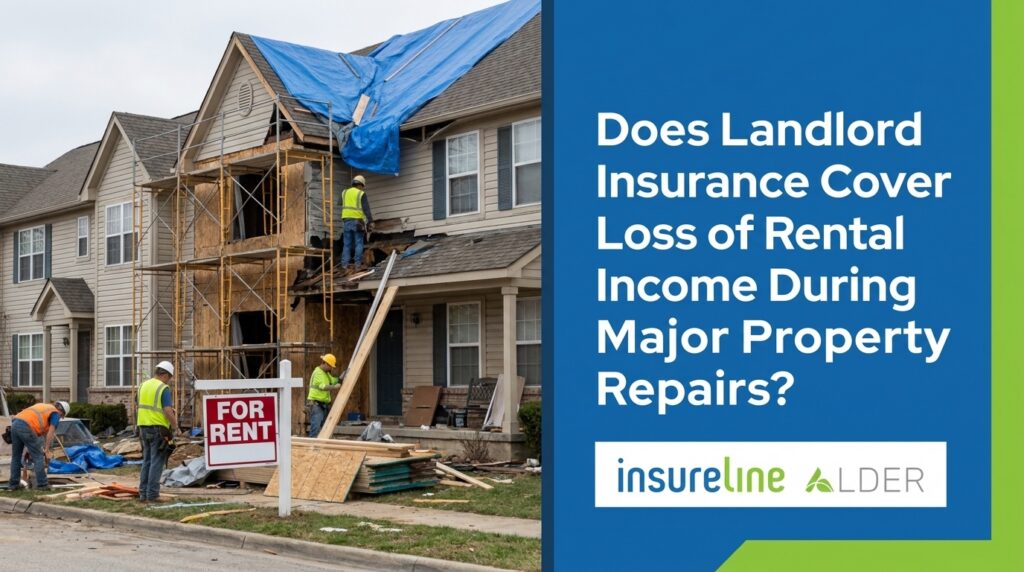
When a severe event damages your investment property, the physical destruction is only half the battle. The immediate halt in cash flow can be equally devastating, leaving many property owners asking: Does Landlord Insurance Cover Loss of Rental Income During Major Property Repairs? The short answer is yes, provided the damage is caused by an insured peril that renders the unit uninhabitable. However, navigating the specific conditions, limits, and exclusions of your policy is critical to ensuring your cash flow remains protected while reconstruction is underway.
Standard homeowner policies do not extend to tenant-occupied properties, making dedicated coverage essential for real estate investors. Understanding how income replacement functions within your broader risk management strategy allows you to safeguard your assets. By examining the mechanics of fair rental value, covered events, and the claims process, property owners can confidently secure their investments against unpredictable disruptions.
Does Landlord Insurance Cover Loss of Rental Income During Major Property Repairs?
When catastrophic damage occurs, the financial impact extends far beyond the physical structure. Does landlord insurance cover loss of rental income during major property repairs? Yes, this protection is a foundational element of a comprehensive landlord policy. If a covered event forces your tenants to vacate the premises, the policy steps in to replace the income you would have otherwise collected.
With over 25 years of combined experience managing large insurance portfolios, we know that income replacement is a lifeline for property investors. Whether you own a single-family home or a multi-unit building, losing rent for six to twelve months can severely disrupt your ability to meet mortgage obligations and maintenance schedules. This coverage ensures that your business operations do not collapse while your property is being restored.
Understanding ‘Fair Rental Value’ Coverage
In the insurance industry, loss of rent is typically referred to as fair rental value coverage. This clause is designed to reimburse you for the actual rental income lost while the property is unfit for occupancy. It is important to note that the payout is based on the ongoing market rate or the active lease agreement, minus any expenses that do not continue while the property is vacant, such as certain utilities.
Our team, led by Managing Directors Gurtaj Bahad (CIP, CAIB) and Michael Puni (Level 2 Insurance Broker), prioritizes educating the client first and explaining coverages in laymen’s terms. We ensure our clients understand that fair rental value is not an arbitrary number; it requires documentation, such as a signed lease, to prove the exact income stream that was interrupted.
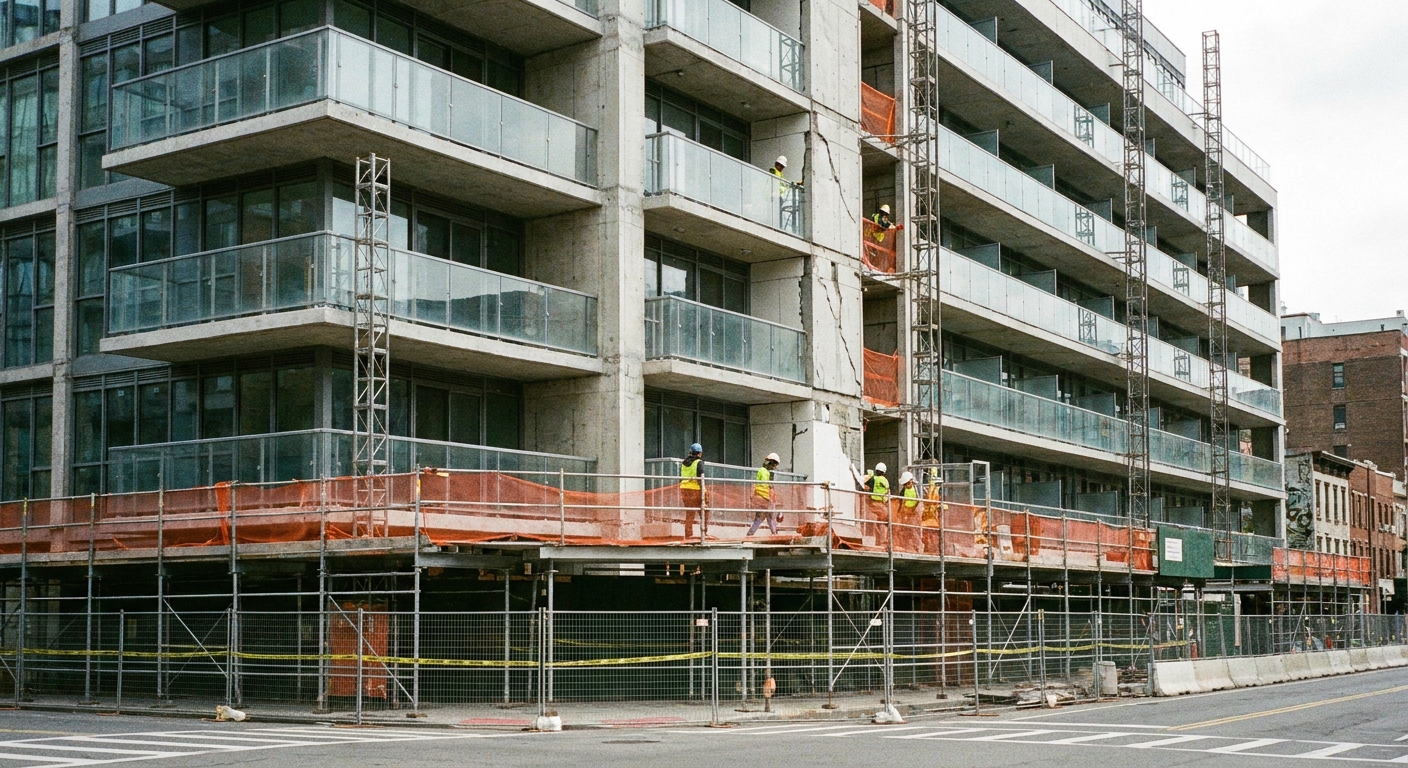
Covered Perils: Which Types of Property Damage Trigger Income Replacement?
Loss of rental income is not a standalone trigger; it is directly tied to the property damage section of your policy. To qualify for income replacement, the damage must be caused by a covered peril that makes the home legally or practically uninhabitable.
Standard Insured Events Causing Uninhabitability
Most comprehensive policies cover sudden and accidental events. Standard perils that typically trigger loss of rent include:
- Severe fire and smoke damage
- Windstorms and catastrophic weather events
- Sudden bursting of internal plumbing or heating systems
- Vandalism or malicious damage caused by third parties
It is crucial to understand that standard wear-and-tear or voluntary renovations do not qualify. The property must be forced into vacancy due to an unexpected, insured disaster.
Specialized Risks: Earthquakes, Overland Water, and Sewer Backups
Environmental risks often require specialized endorsements. Standard policies frequently exclude damage from earthquakes, overland water, and sewer backups. If a sewer backup destroys a basement suite and you do not have the specific endorsement for that peril, your loss of rent claim will also be denied.
By maintaining access to top-tier providers like Intact Insurance, Aviva, and Wawanesa, we conduct early identification of coverage gaps, ensuring that high-risk environmental perils are properly endorsed on your policy.

Rent Default vs. Property Uninhabitability: Knowing the Exclusions
A common misconception among property owners is confusing fair rental value with rent default. If a tenant simply stops paying their rent, breaks their lease, or refuses to vacate during an eviction process, standard loss of rental income coverage will not apply. The trigger for fair rental value is strictly physical property damage rendering the unit uninhabitable.
Protecting against a tenant who defaults on payments requires a completely different mechanism, often referred to as a rent guarantee or rent default endorsement. Distinguishing between these two scenarios is vital for proper risk management.
Time Limits and the ‘Reasonable Time to Repair’ Clause
Fair rental value coverage does not provide unlimited payouts. Policies explicitly state that income replacement is only provided for the reasonable time required to repair or rebuild the damaged property. If a fire destroys a unit and the standard repair timeline is six months, the insurer will cover six months of lost rent.
If repairs are delayed due to contractor disputes or personal choices to upgrade the property, the insurance provider will not extend the payout period. Continuous updates on your insurance status and clear, professional communication with your adjuster are essential to ensure the repair timeline aligns with your coverage limits.
How Condo Association and HOA Repairs Impact Landlords
For landlords renting out condominium units, loss of rent coverage can be uniquely complex. If a major issue, such as a structural defect or a centralized plumbing failure, forces the Condo Association or HOA to evacuate the building, your personal landlord policy must align with the master policy’s covered perils.
If the association is managing the repairs, you are at the mercy of their timeline. Your unit owner’s policy must include adequate fair rental value limits to sustain you through prolonged building-wide reconstruction phases. We tailor the right solutions to fit these exact needs, reviewing the interplay between corporate master policies and individual landlord coverages.
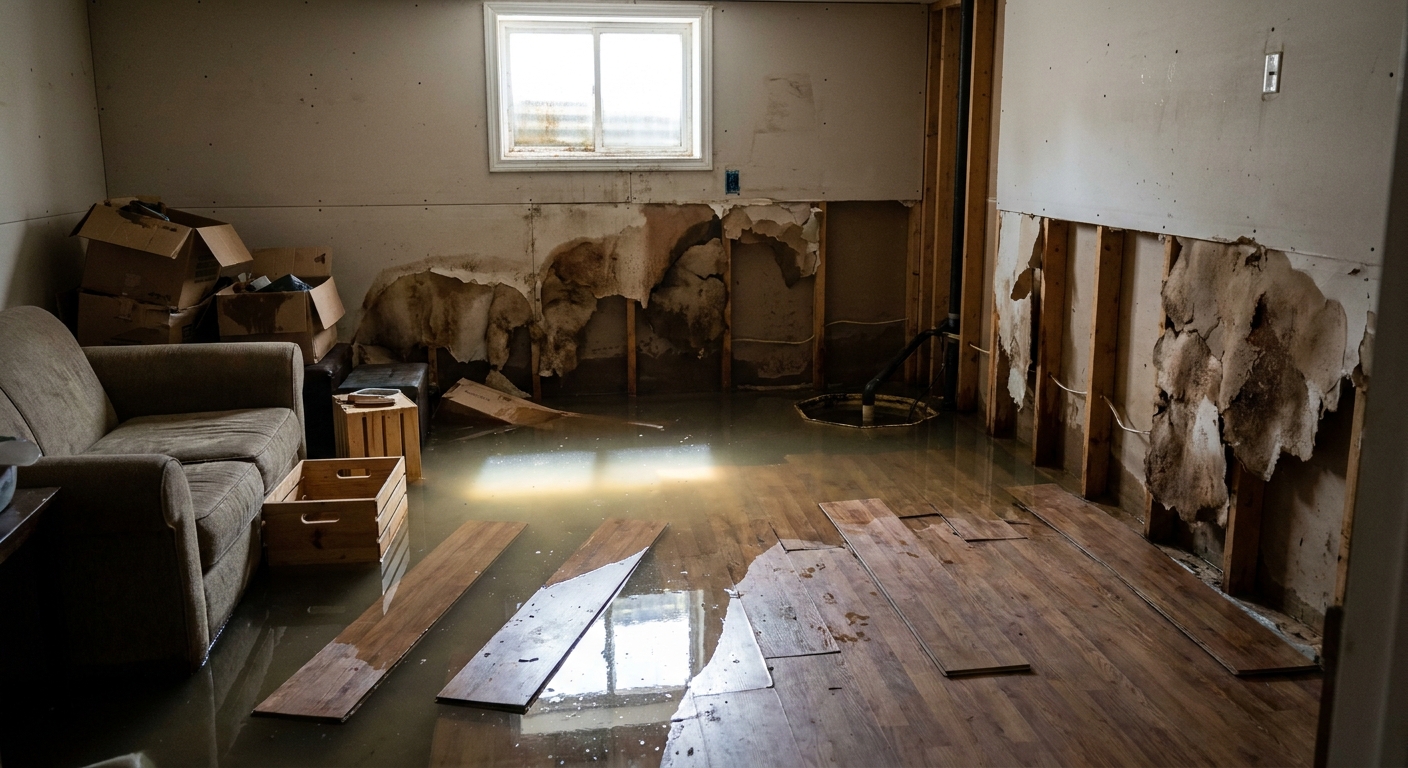
Steps to Claim Loss of Rental Income After Severe Property Damage
Filing a successful claim requires immediate and organized action. Because we offer a 24-hour response guarantee, we guide our clients through these critical first steps to prevent unnecessary delays.
Documenting the Damage and Lost Income
Before any debris is cleared, thoroughly document the physical damage with photographs and videos. Simultaneously, gather the financial documentation required to prove your lost income. This includes the active lease agreement, recent bank statements showing rent deposits, and a formal rent roll. The adjuster will use these documents to calculate your exact fair rental value payout.
Communicating with Tenants and Adjusters
Clear communication is paramount. Notify your tenants formally that the lease is paused or terminated due to uninhabitability, depending on local tenancy laws. When dealing with adjusters, having a broker who advocates for the client with underwriters makes a significant difference. We assist clients during the entire claims process, ensuring the scope of repairs and the estimated timeline for lost rent are accurately assessed.
Conclusion: Securing Your Rental Investment
Protecting a rental property goes far beyond insuring the bricks and mortar; it requires safeguarding the revenue stream that makes the investment viable. Understanding exactly how and when your policy responds to a loss of rent ensures that a sudden disaster does not lead to financial ruin.
With a 95% client retention rate and a commitment to providing a one-stop insurance shop for your entire portfolio, we focus on delivering the right policy for your specific needs. Through mandatory reviews at renewal and continuous market analysis, we ensure your coverage evolves alongside your real estate investments. Secure your peace of mind by ensuring your rental income is comprehensively protected against the unexpected.
We break down why home insurance falls short for rentals so you can see the coverage gaps and what a landlord policy actually adds.