
The short answer to does landlord insurance cover malicious damage or vandalism caused by a tenant? is usually yes, but only when specific policy conditions are met and the loss is properly documented. Standard landlord policies list vandalism and malicious mischief as covered perils, yet coverage can be limited or denied if the property was vacant too long, the damage was gradual, or the act was committed by the landlord.
The practical difference between a paid claim and a denied one often comes down to how you classify the damage, how quickly you act, and how clearly your policy wording addresses tenant-caused destruction. This guide explains what counts as malicious damage, when your landlord insurance responds, and the steps that protect your position before and after a loss.
Understanding Malicious Damage and Vandalism by Tenants
Distinguishing Malicious Damage from Accidental Damage and Wear and Tear
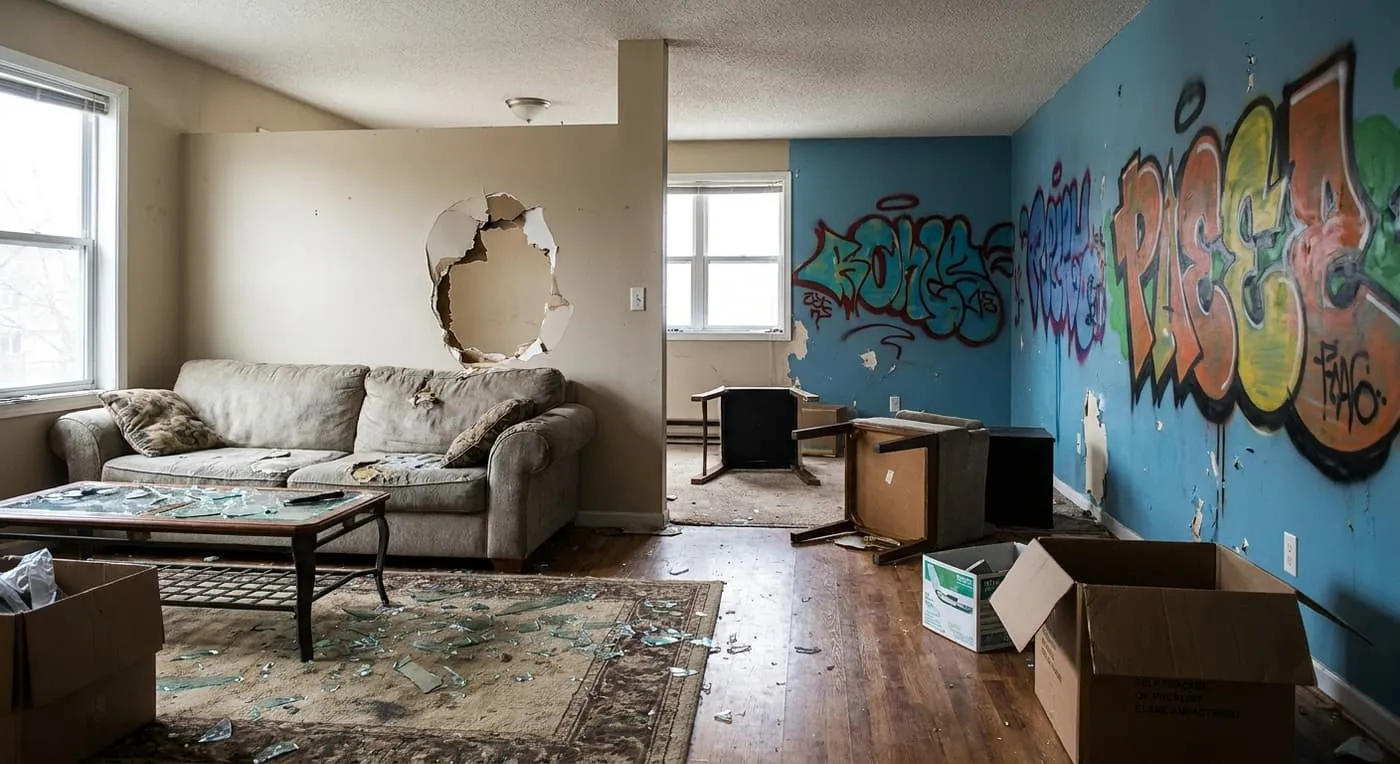
Malicious damage is intentional destruction or defacement of property. It includes broken windows, punched holes in walls, torn-out fixtures, graffiti, and deliberate flooding. Accidental damage, by contrast, results from an unforeseen event such as a child throwing a ball through a window or a pot boiling over. Wear and tear is the gradual deterioration that comes from normal use over time, like faded paint or worn carpet.
Insurers pay close attention to this distinction. A claim that is actually wear and tear will be denied as a maintenance issue, while a claim for malicious damage requires evidence of intent or deliberate action. If the damage happened suddenly and was caused by a tenant, guest, or intruder with intent to destroy, it is more likely to fit the vandalism peril.
- Malicious damage: kicked-in doors, smashed windows, spray-painted walls, deliberate appliance breakage.
- Accidental damage: a dropped pan breaking a countertop, an overflowing bathtub, a fire from unattended cooking.
- Wear and tear: worn carpet in high-traffic areas, faded blinds, loose door handles from years of use.
Common Examples of Tenant Vandalism
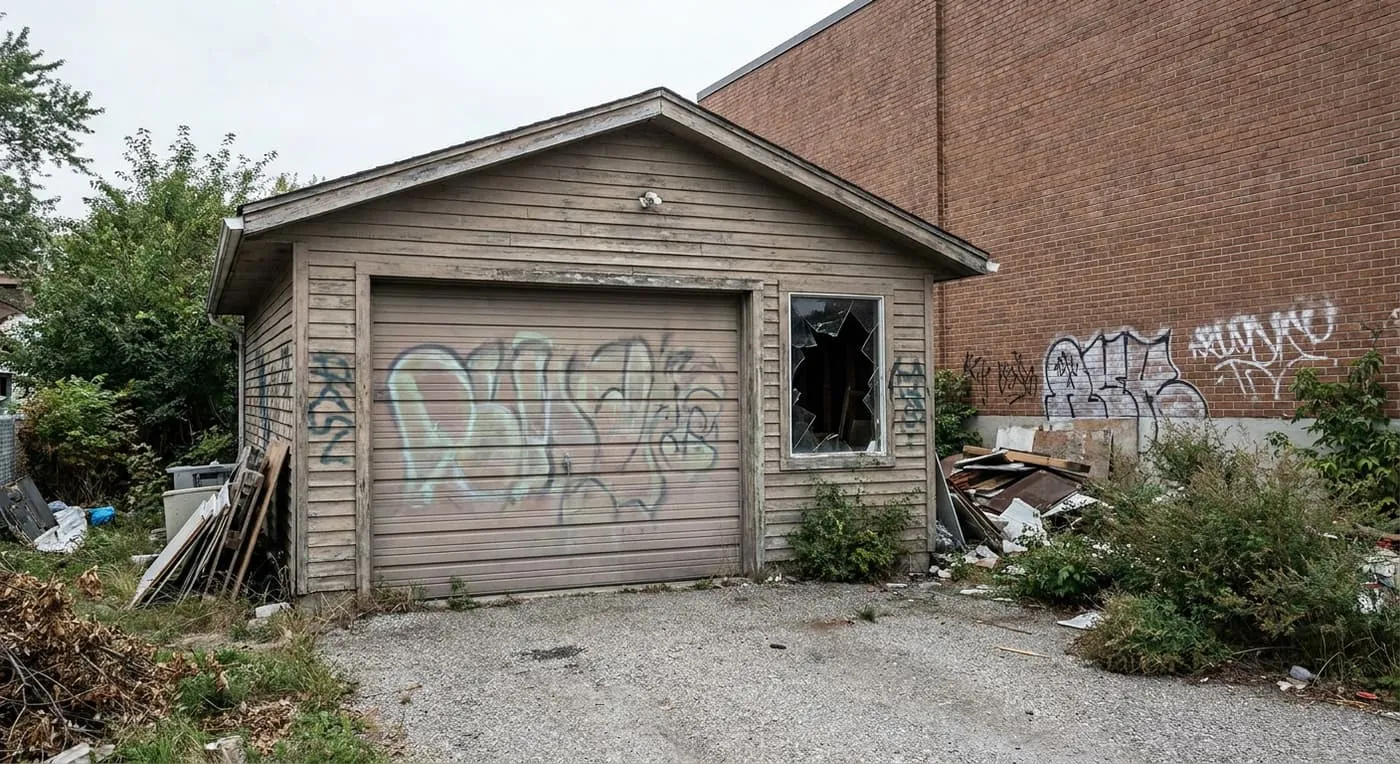
Tenant vandalism often appears at move-out but can happen during the tenancy. Common examples include holes in drywall, broken cabinetry, torn screens, deliberate damage to plumbing or electrical fixtures, and graffiti inside closets or on exterior walls. In severe cases, tenants have caused arson, stripped copper piping, or flooded units by leaving taps running with drains blocked. These are all considered malicious acts because the person had lawful access but used it to destroy property.
Does Landlord Insurance Cover Tenant-Caused Vandalism?
Standard Coverage: Dwelling and Other Structures
Most landlord insurance policies include vandalism and malicious mischief as a named peril. That means the dwelling itself, attached structures, and often detached structures like garages or sheds are covered when a tenant, guest, or intruder intentionally damages them. Some policies also extend to loss of rental income if the vandalism makes the unit uninhabitable during repairs. The key phrase to look for in your policy is “vandalism” or “malicious mischief” under the covered perils section.
However, coverage is not automatic for every type of malicious act. Policies may limit coverage for theft by someone with lawful access, since that is treated as a separate risk. Damage to tenant-owned property is never covered by your landlord policy; that is the tenant’s responsibility.
When Vandalism May Be Excluded
Even with vandalism listed as a covered peril, several situations can trigger an exclusion. The most common is vacancy: many policies suspend vandalism coverage if the property has been empty for 30 to 60 consecutive days unless you have a vacancy permit or endorsement. Another common exclusion is intentional damage caused by the landlord or someone acting on the landlord’s behalf. Gradual damage, like repeated pet accidents or long-term neglect, is classified as maintenance, not vandalism. If the damage existed before the tenant moved in and you have no move-in documentation, the insurer may dispute that it occurred during the policy period.
Policy Conditions and Exclusions for Vandalism Coverage
Vacancy Clauses and Their Impact
Vacancy is the single biggest reason a vandalism claim fails. Landlord policies typically define vacancy as no one living in the unit and no personal property inside. After 30 to 60 days, vandalism and water damage coverage often drops or is removed entirely. If you know a unit will sit empty between tenants, tell your broker before the vacancy starts so the policy can be endorsed. Without that conversation, a break-in or malicious damage during the empty period may leave you paying out of pocket.
When we place a landlord policy, we walk through the specific vacancy wording so there are no surprises after a loss. That review includes confirming how many days of vacancy are allowed and what steps re-activate coverage if the property remains empty longer than expected.
Reporting Deadlines and Documentation Requirements
Most policies require you to report a loss promptly, often within a set number of days after discovering it. Delayed reporting can lead to a denial because the insurer loses the chance to inspect the scene and verify the cause. You will need photos, video, a police report if a crime occurred, and a written inventory of damaged items. Keep receipts for any emergency repairs, but do not permanently repair the damage before the adjuster sees it unless you need to secure the property.
Exclusions for Intentional Acts by the Landlord
No insurance policy covers damage you intentionally cause to your own property. That is fraud and will void coverage. The same applies if you ask someone else to damage the property to trigger a claim. If the vandalism is caused by a tenant, the policy responds, but the insurer will investigate to make sure the landlord was not involved.

Steps to Take After Discovering Tenant Vandalism
Document the Damage Thoroughly
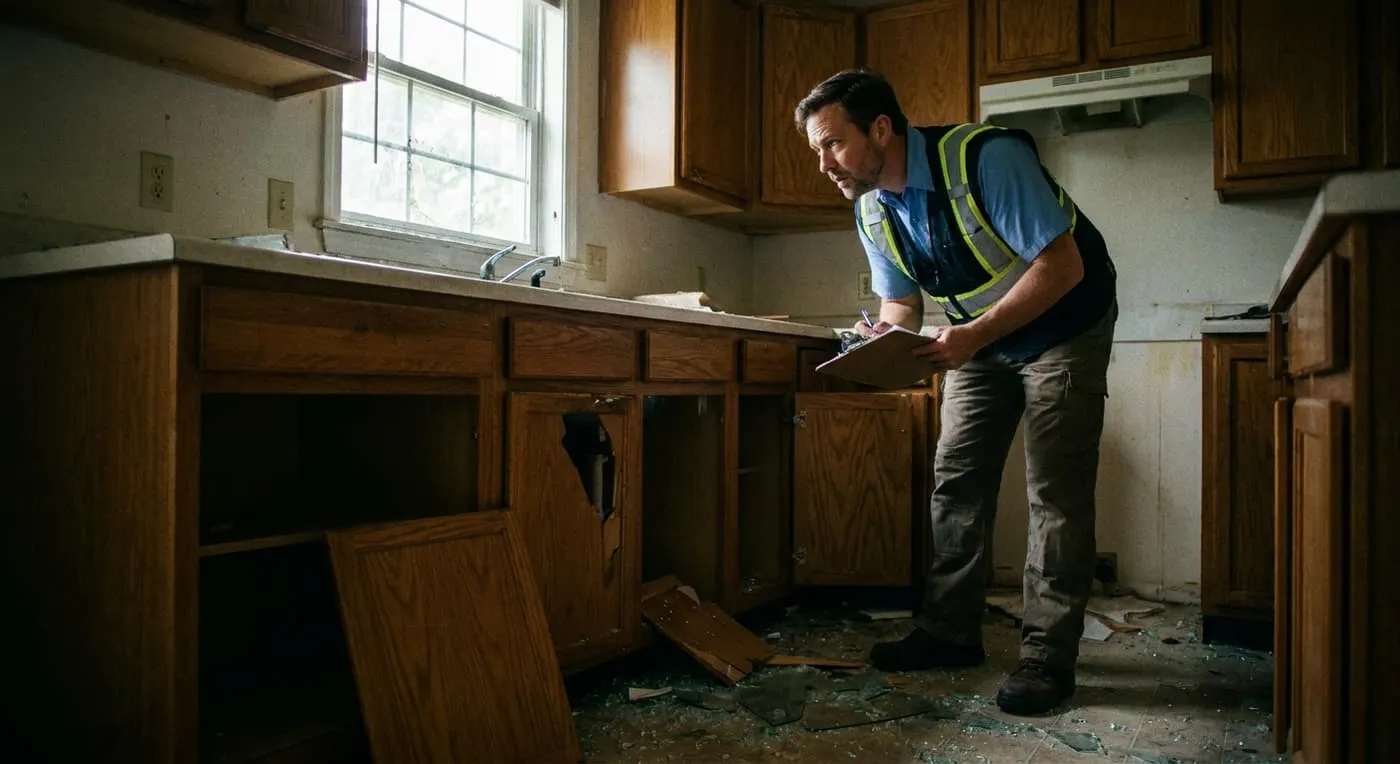
Before moving anything, take wide-angle and close-up photos of every damaged area. Record video that shows the layout and the extent of the destruction. If the tenant is still present, do not confront them or remove evidence. Instead, capture time-stamped images and write down what you see, including any items that are missing or destroyed. A detailed move-out inspection report completed at the time you regain possession is one of the strongest pieces of evidence you can provide to an insurer.
Notify the Police and Your Insurance Company
If a crime such as arson, break-in, or intentional destruction has occurred, file a police report immediately. The report creates an independent record of the incident and the date. Then contact your insurance broker or carrier without delay, even if you are still gathering information. Ask what documentation they need and whether you may proceed with emergency repairs to prevent further loss. Keep a log of every call and email, including the names of the people you speak with.
Secure the Property to Prevent Further Damage
Board up broken windows, lock doors, shut off water or electricity if it is unsafe, and arrange for temporary security like a monitored alarm. These steps show the insurer you acted to mitigate the loss, which policies generally require. Pay for reasonable, documented emergency measures out of pocket and keep the receipts; many policies will reimburse these costs as part of the claim if coverage applies.

The Insurance Claim Process for Malicious Damage
Filing the Claim: What to Expect
You will need to submit a claim form along with your photos, video, police report, and a list of damaged items with their original condition if possible. The insurer assigns a claim number and sends an adjuster to inspect the property. Be prepared to explain how the damage was discovered, who had access to the unit, and what you believe happened. The more organized your evidence, the smoother the review.
The Role of the Insurance Adjuster
The adjuster investigates the cause, reviews your policy, and estimates the cost to repair or replace covered damage. They may ask for the tenant’s contact information, the lease agreement, and move-in/move-out inspection reports. Their findings determine whether the loss is covered as vandalism, excluded as wear and tear, or denied for another reason. You do not have to accept the first estimate if you believe it is too low; you can provide contractor quotes and negotiate.
Common Reasons for Claim Denial
- Delayed reporting: waiting weeks to notify the insurer weakens the investigation.
- Missing documentation: no photos, no police report, no move-in checklist means you cannot prove the damage was new.
- Vacancy rule violation: the property was empty beyond the allowed period without an endorsement.
- Maintenance classification: the damage is judged as gradual wear and tear or neglect, not a sudden malicious act.
- Landlord involvement: any evidence the owner participated in the damage voids the claim.
Tenant Liability and Subrogation: Who Ultimately Pays?
Holding Tenants Financially Responsible
Even when your landlord policy pays a vandalism claim, the tenant who caused the damage remains legally responsible. You can pursue the tenant through the security deposit, a demand letter, or a civil claim in court. If the tenant has renters insurance, their liability coverage may respond for damage they negligently or intentionally caused to your property. This is one reason requiring tenant insurance in the lease protects you.
How Subrogation Works in Vandalism Claims
After your insurer pays your claim, it may use a process called subrogation to recover the money from the at-fault tenant. The insurer essentially steps into your shoes and seeks reimbursement directly. If the tenant has liability coverage, that insurer may pay the subrogation demand. If not, the insurer can pursue the tenant’s assets. You do not control this process, but your cooperation in providing the lease, tenant contact details, and evidence is required.
The Role of the Security Deposit in Malicious Damage Cases
When to Use the Security Deposit vs. Filing a Claim
For minor malicious damage such as a small hole in drywall or a broken window, using the security deposit is often faster and avoids a claim on your record. For extensive vandalism that costs far more than the deposit, filing a landlord insurance claim makes sense. The decision also considers your deductible and the potential impact on future premiums. A good rule of thumb: if the repair cost is close to your deposit amount or below your deductible, handle it without insurance; if it is a large loss, notify your insurer.
Legal Requirements for Deposit Deductions
Security deposit laws vary, but most jurisdictions require you to provide an itemized list of deductions within a set timeframe after the tenancy ends. You must be able to show the damage was not ordinary wear and tear and that it was caused by the tenant. Move-in and move-out inspection reports, photos, and receipts for repairs are essential. If you miss the deadline or cannot document the damage, you may be ordered to return the full deposit and possibly pay penalties. Always follow the rules in your area.
Requiring Tenant Insurance to Mitigate Malicious Damage Risk
Benefits of Requiring Renters Insurance
Requiring renters insurance as a lease condition shifts some financial risk away from you. A tenant’s liability coverage can pay for malicious or negligent damage they cause to your property, which means fewer claims on your landlord policy and faster recovery. It also covers the tenant’s own belongings and additional living expenses, reducing disputes when a covered loss occurs. Many landlords find that tenants who carry insurance are more aware of their responsibilities.
How to Enforce Tenant Insurance Requirements
Make the requirement explicit in the lease, including the minimum liability limit you expect. Ask for a certificate of insurance naming you as an interested party before handing over keys. Conduct an annual check that the policy is still active, and include the requirement in your tenant screening discussion. If you work with a property manager, have them confirm coverage annually. Enforcement is simpler when it is part of the rental criteria from day one.
Conclusion: Protecting Your Rental Property from Vandalism
Landlord insurance generally covers malicious damage and vandalism caused by a tenant, but only when the loss is sudden, documented, and not excluded by vacancy or intentional-act clauses. The steps you take long before a claim—classifying damage correctly, reviewing vacancy rules, documenting move-in condition, and requiring renters insurance—are what make the difference. After a loss, act quickly, document thoroughly, and follow the claim process without making permanent repairs before the adjuster sees the damage.
If you are uncertain whether your current landlord policy includes the vandalism coverage you need, review it now rather than after a tenant damages your property. Our team can help you compare policies and clarify how each one handles malicious damage before you commit.