
When moving into a new rental property, many tenants assume that the property owner’s policy provides a safety net for everything inside the unit. Unfortunately, this is a common misconception that leaves renters vulnerable. If a fire, severe weather event, or unexpected disaster damages the property, the owner’s policy protects the physical building itself, but it strictly excludes the personal possessions of the people living there. Understanding the boundaries of property coverage is essential for fully protecting your lifestyle and personal assets.
At InsureLine Alder, we believe in educating the client first and explaining coverages in layman’s terms. Our Managing Directors, Gurtaj Bahad and Michael Puni, bring over 25 years of combined experience to the table. With backgrounds in running large day-to-day brokerage operations and managing extensive national portfolios, our leadership team has seen firsthand how devastating it can be when a renter assumes they are protected by a property owner’s policy. We prioritize early identification of coverage gaps so you are never caught off guard during a crisis.
The Short Answer: Does Your Landlord’s Insurance Cover Your Belongings?
The direct answer is no. A property owner’s policy does not protect a renter’s personal items. Everything you bring into the unit—from your living room furniture and kitchen appliances to your wardrobe and electronics—is solely your responsibility to protect.
If a pipe bursts in the wall and floods your apartment, the property owner’s policy will repair the drywall and the plumbing. However, it will not replace your ruined laptop, your damaged sofa, or your soaked clothing. Relying on the building owner’s policy is a critical error that can leave you starting over from scratch after an unexpected event.

What Does Landlord Insurance Actually Cover?
To fully grasp why your items are excluded, it helps to understand what the property owner is actually insuring. Their policy is designed specifically to protect their financial investment in the property, not the lives or possessions of the people occupying it.
The Physical Building Structure
The core of a property owner’s policy is structural protection. This covers the walls, roof, foundation, built-in fixtures, and plumbing systems. If a severe storm damages the roof, this policy ensures the building can be repaired.
Property Owner Liability
If a guest trips on a broken exterior staircase or an icy shared walkway, the property owner could be held legally responsible. Their liability coverage protects them from lawsuits related to the physical maintenance of the building and common areas.
Loss of Rental Income
If a disaster makes the building uninhabitable, the owner cannot collect rent while repairs are underway. Their policy often includes a provision to compensate them for this lost income. Noticeably absent from all these protections is any mention of the tenant’s personal property or the tenant’s own liability.
What is Tenant Insurance and Why Do Renters Need It?
Tenant insurance, often referred to as renter’s insurance, is a dedicated policy designed specifically for the occupant of a rental unit. It fills the massive gap left by the property owner’s coverage, ensuring that your personal life and assets are shielded from unpredictable events.
At InsureLine Alder, our approach is built on providing the right policy for your specific needs. Gurtaj Bahad, who holds CIP and CAIB designations, and Michael Puni, a Level 2 Insurance Broker, lead our team with a commitment to hands-on, practical problem-solving. We act as a one-stop insurance shop for your entire portfolio. From the initial discovery discussion to reviewing different options such as coverages and risks, we advocate for our clients with underwriters to secure the correct protections. Our 95% client retention rate reflects our dedication to tailoring the right solutions for every renter.

Core Protections: What Does Tenant Insurance Cover?
A standard renter’s policy is built around three fundamental pillars of protection. Each pillar addresses a specific risk you face while leasing a property.
Personal Property Protection
This is the coverage that replaces your belongings if they are stolen, damaged, or destroyed by an insured peril like fire or water damage. It applies to your furniture, electronics, clothing, and everyday household items. Even if your belongings are temporarily outside the home—such as a laptop stolen from your vehicle—this coverage often extends to protect them.
Personal Liability for Accidents
Accidents happen, and as a renter, you can be held legally responsible for them. If you accidentally leave a tap running and flood the unit below you, or if a guest slips and injures themselves inside your apartment, personal liability coverage protects you. It assists with legal defense and settlement obligations, preventing a simple mistake from becoming a financial disaster.
Additional Living Expenses (ALE)
If a fire or severe water leak forces you to move out while repairs are completed, you still need a place to live. Additional Living Expenses (ALE) coverage handles the temporary accommodations, such as hotel stays, and other essential living obligations like meals, until you can safely return to your rental.
Unique Risks: Earthquakes, Floods, and Wildfires
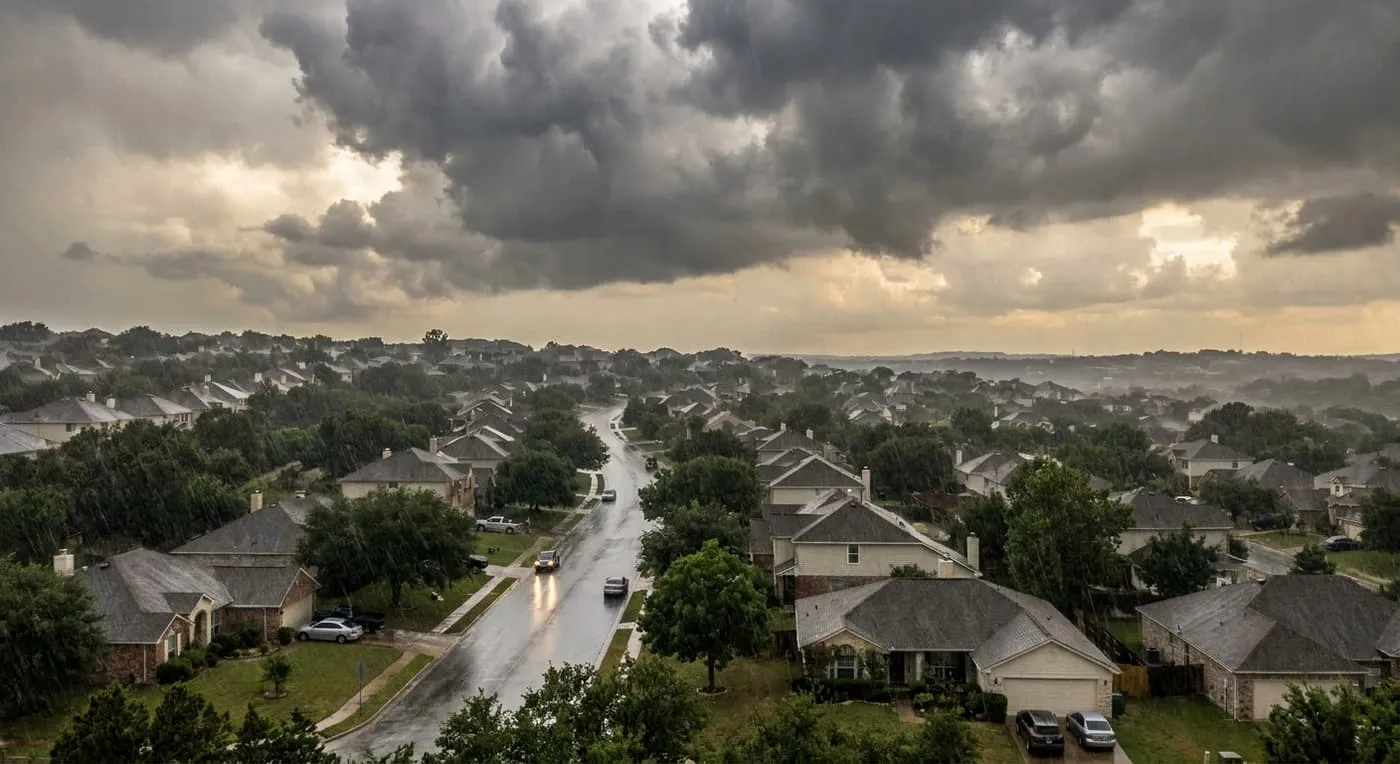
Depending on where you live, environmental factors can drastically increase your need for comprehensive protection. Many regions are situated in active seismic zones or face seasonal threats from wildfires and heavy rainfall.
Natural disasters can cause widespread displacement and total loss of personal property. While standard policies cover many perils, specific environmental risks like earthquakes or overland flooding often require specialized endorsements. Our team leverages extensive experience and a large network of industry partners—including major carriers like Aviva Canada, Intact Insurance, and Wawanesa Insurance—to ensure your policy is fortified against the specific natural threats in your region.
Common Exclusions: What Isn’t Covered by Standard Renter Policies?
Transparency is one of our core values at InsureLine Alder. Part of educating the client involves clearly explaining what a standard policy does not cover, so there are no surprises when it matters most.
Roommates’ Belongings
A standard policy generally only protects the named insured and immediate family members. If you live with unrelated roommates, they cannot rely on your policy; they must secure their own individual coverage for their possessions.
High-Value Items and Limits
Every policy has limits. Standard coverage is usually sufficient for everyday items, but high-value assets like fine jewelry, rare collectibles, or specialized bicycles often exceed these basic limits. These items typically require a separate scheduling endorsement to ensure they are fully protected for their appraised value.
Structural Building Damage
Unless the damage is a direct result of your covered negligence (which would trigger your liability coverage), repairs to the physical structure of the building remain the responsibility of the property owner and their respective policy.
Is Tenant Insurance Legally Required?
While there is no government law mandating that renters carry their own insurance, property owners have the legal right to require it as a strict condition of the lease agreement.
Many property management companies and private owners now include mandatory coverage clauses in their tenancy agreements. Failing to secure and maintain an active policy when required can be considered a breach of your lease. Even if a property owner does not explicitly demand it, operating without a reliable safety net leaves you entirely exposed to everyday risks.
Conclusion: Securing Your Personal Belongings
Assuming that a property owner’s policy extends to your personal life is a risk no renter should take. From personal property protection and liability defense to handling temporary living accommodations during a crisis, a dedicated renter’s policy is an essential tool for safeguarding your future.
At InsureLine Alder, we stand by our 24-hour response guarantee and our commitment to continuous updates on your insurance status throughout the process. Our mandatory reviews at renewal ensure that any life changes are accounted for and that you never outgrow your coverage. Whether you are moving into your first apartment or upgrading to a larger rental home, contact us today to begin your discovery discussion. We will conduct a thorough current policy review, perform a multi-carrier market search, and finalize a tailored solution that gives you complete confidence in your protection.