
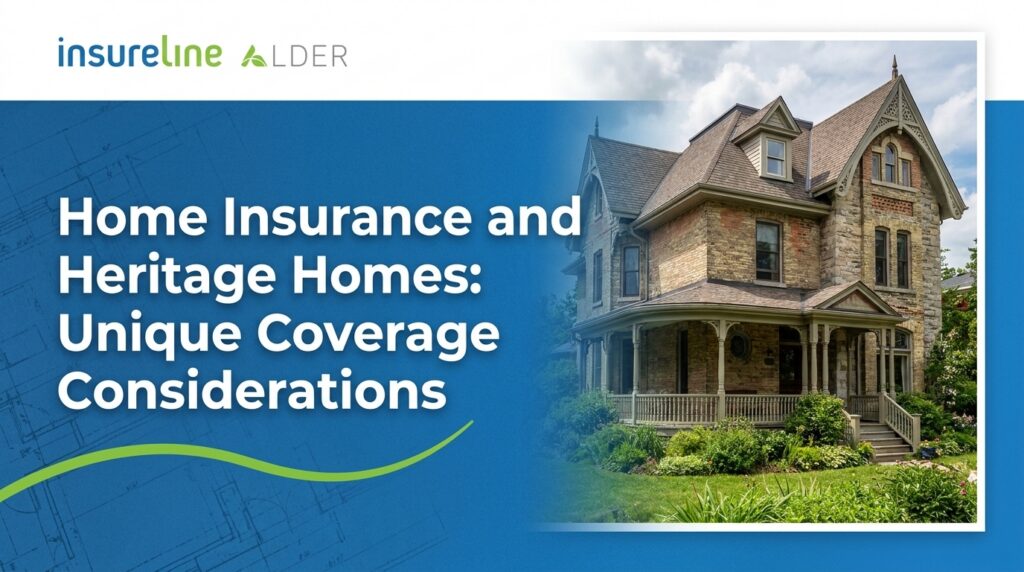
Owning a piece of history comes with profound stewardship responsibilities, especially when it comes to safeguarding its structural and architectural integrity. Navigating home insurance and heritage homes: unique coverage considerations requires a deep understanding of how legacy construction methods intersect with modern underwriting standards.
Historic properties possess character-defining elements that cannot be easily replicated by today’s standard building practices. Because insurers assess risk based on replacement complexities and the presence of outdated infrastructure, securing comprehensive protection demands a highly specialized approach rather than a standard, off-the-shelf policy.
Understanding Heritage Registers and Insurance Implications
How Municipal Heritage Designations and Bylaws Affect Claims
When a property is officially recognized on a heritage register, it becomes subject to strict municipal bylaws governing how it can be altered, repaired, or rebuilt after a loss. Local regulations often mandate that any restoration work must maintain the structure’s historical accuracy. This requires sourcing specific, historically accurate materials and employing specialized tradespeople who are trained in legacy craftsmanship.
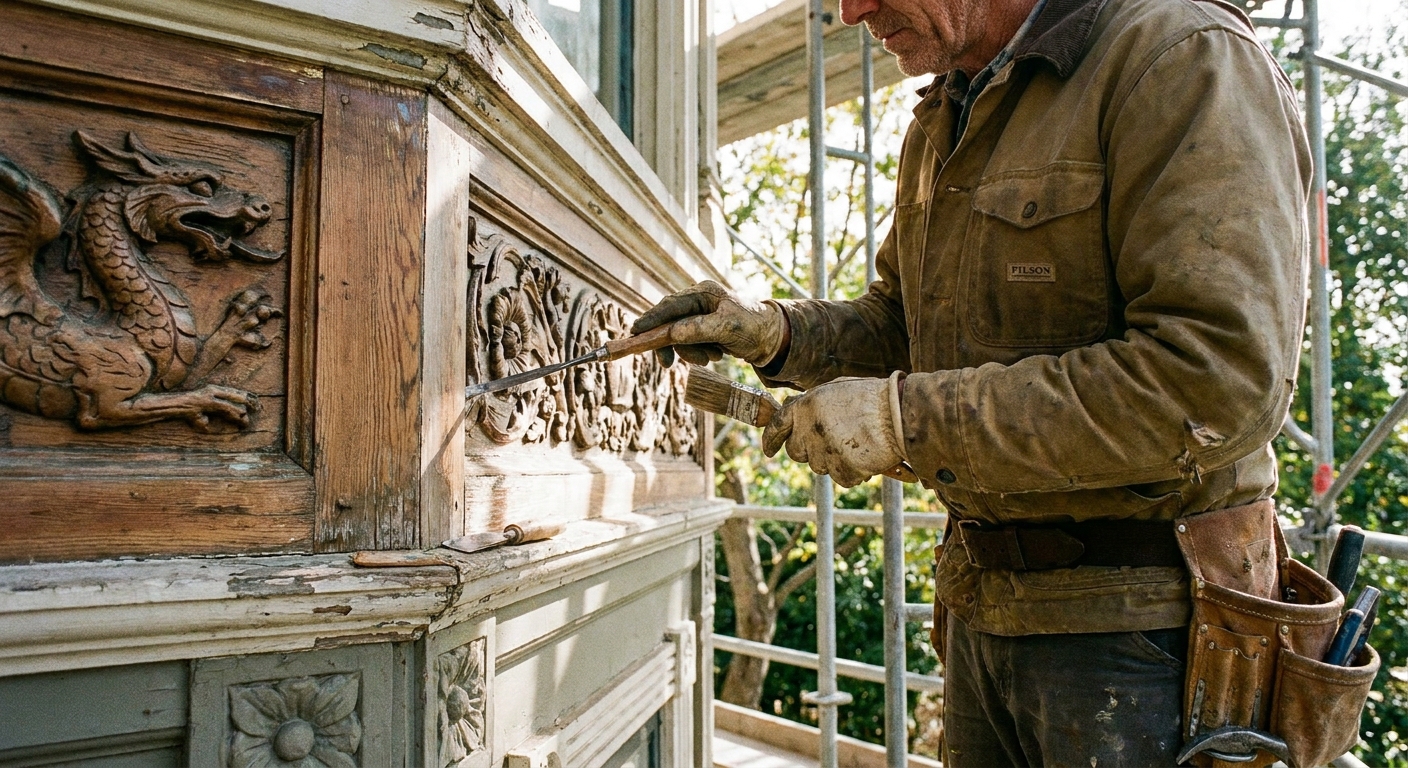
Insurers view these municipal requirements as an elevated risk profile because standard rebuilding metrics do not apply. At InsureLine Alder, our team brings over 25 years of combined experience to the table, allowing us to advocate for you with underwriters to ensure these specific municipal bylaws are properly accounted for in your policy. We prioritize educating the client first, explaining these complex coverages in layman’s terms so you understand exactly how your historical designation impacts your protection.
Underwriting Risks: Outdated Wiring, Plumbing, and Heating Systems
Identifying Legacy Infrastructure Hazards
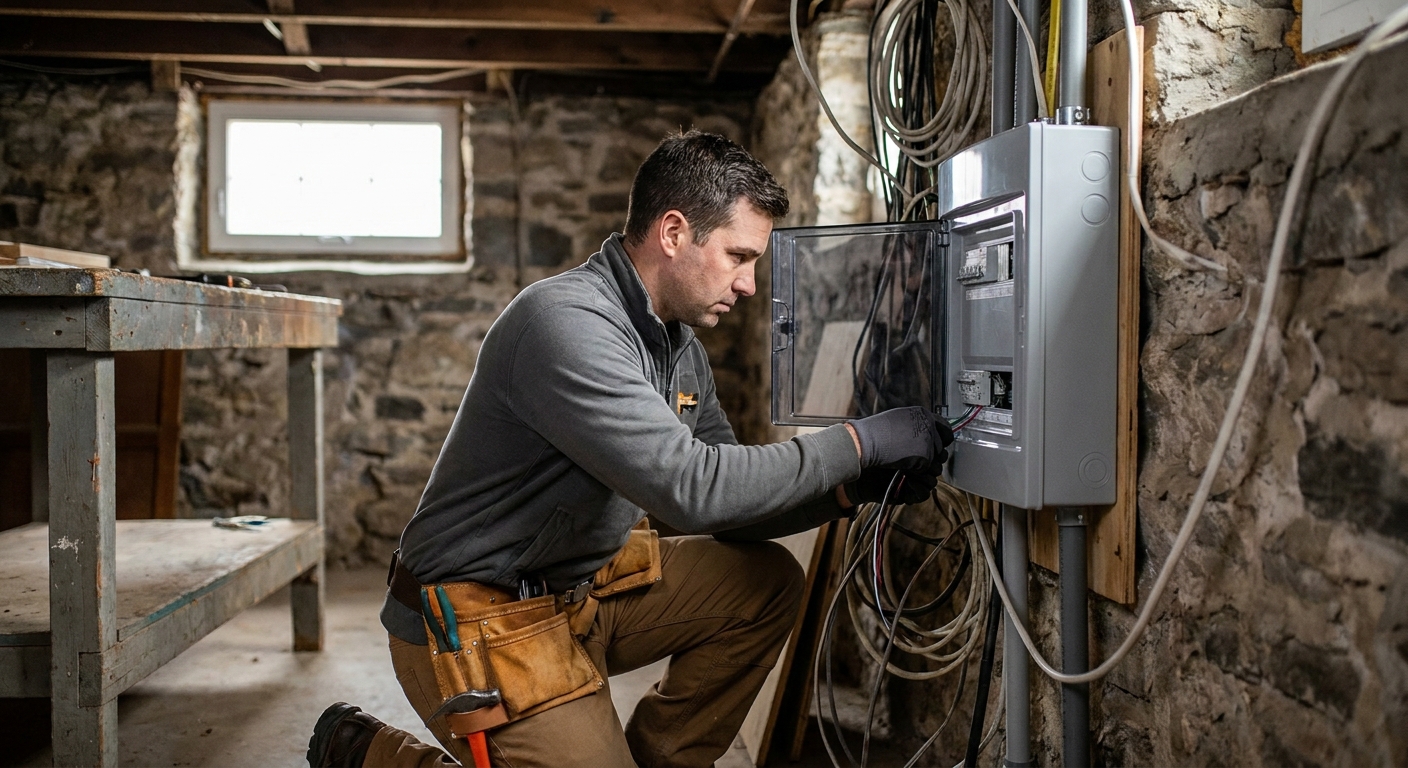
Historic homes often hide legacy infrastructure behind their beautiful walls. Systems such as knob and tube wiring, galvanized or cast-iron plumbing, and older heating methods present significant fire and water damage hazards. Insurers heavily scrutinize these elements because they are more prone to failure than modern alternatives.
Professional System Upgrades Required for Coverage Eligibility
To secure comprehensive coverage, insurers typically mandate that legacy systems be updated to modern building codes. These upgrades must be completed by licensed professionals to ensure all safety standards are met. Managing directors Gurtaj Bahad and Michael Puni, who hold advanced designations including CIP, CAIB, and Level 2 Insurance Broker licenses, emphasize the importance of early identification of coverage gaps. During our initial discovery discussions, we help identify which professional upgrades are necessary to meet underwriting requirements.
Location-Based Environmental Risks for Historic Properties
Assessing Regional Flood, Waterway, and Weather Vulnerabilities
Many legacy structures were originally built near waterways to facilitate early commerce and transportation. While these locations offer beautiful views, they also increase the property’s exposure to environmental vulnerabilities, including floods and extreme weather events. The geographic positioning of a historic home requires a thorough assessment of environmental underwriting factors.
We conduct a multi-carrier market search, leveraging our access to nationwide insurance providers—including Intact Insurance, Aviva Canada, and Wawanesa Insurance—to find the right environmental protections. By providing tailored options, we ensure your historic property is shielded from location-based risks.
Guaranteed Building Replacement vs. Standard Policies for Historic Homes
Replacement Coverage for Character-Defining Elements
A standard policy typically replaces damaged property with materials of like kind and quality, which often translates to modern, mass-produced equivalents. For a heritage property, this standard is usually insufficient. Guaranteed building replacement or specialized heritage coverage ensures that character-defining elements—such as custom millwork, original plastering, or stained glass—are restored authentically.
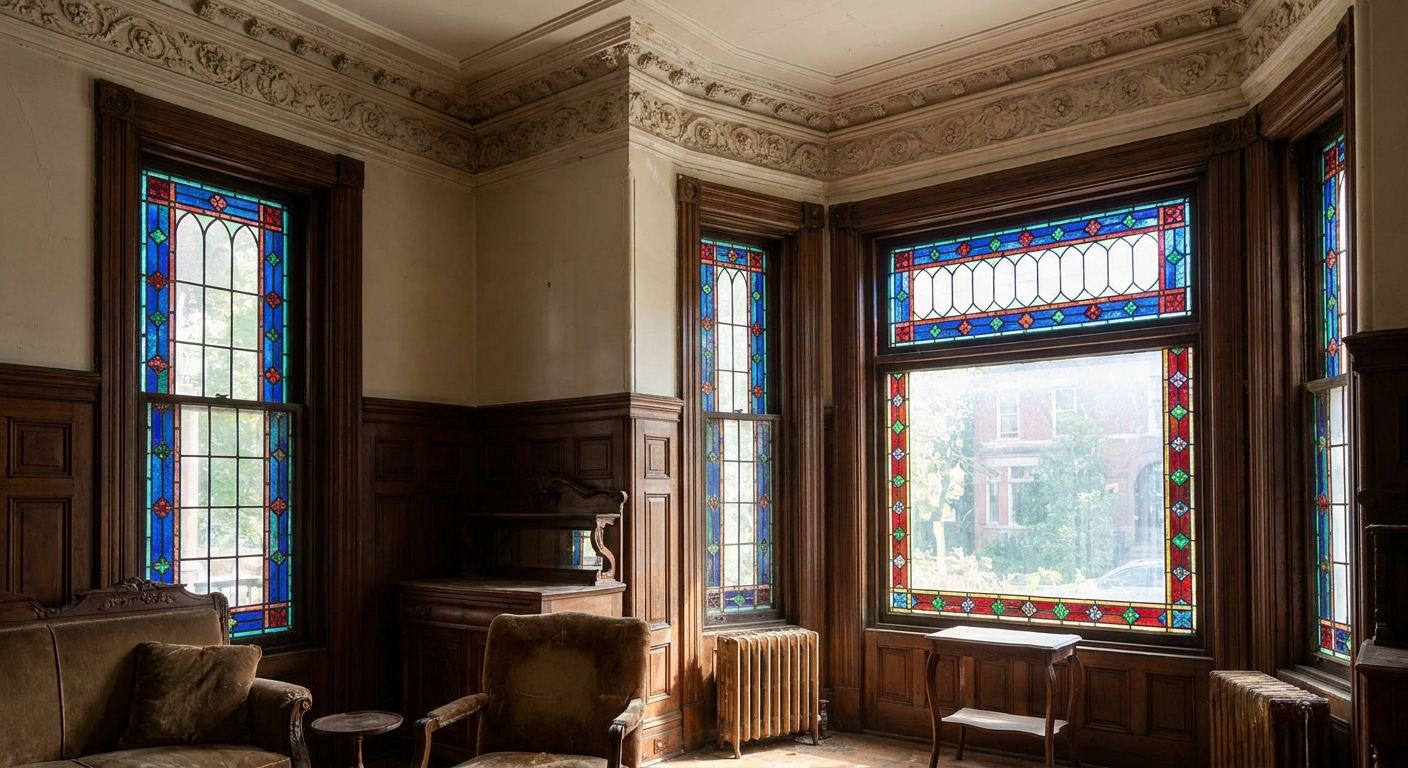
Choosing the right policy type is critical to ensuring your home can be rebuilt to code without compromising its historical integrity. We provide detailed policy comparisons, reviewing the different options and risks of each policy type so you can make an informed decision that aligns with your preservation goals.
The Impact of Short-Term Rentals and Home Businesses on Heritage Policies
Adjusting Coverage for Commercial and Guest Use
Transforming a historic property into a bed-and-breakfast, a short-term rental, or a home office changes its risk profile from strictly residential to commercial or mixed-use. Standard personal policies exclude commercial liabilities and damages arising from business activities.
Any business or life changes that affect how the property is used must be disclosed to your insurer. As a one-stop insurance shop for client portfolios, we seamlessly blend business and house coverage. We tailor the right solutions to fit your needs, ensuring that commercial and guest uses are fully protected under your heritage policy.
Documenting Your Heritage Property for Insurers
Creating a Comprehensive Record of Architectural Features
Maintaining a detailed inventory of your property is one of the most effective ways to ensure smooth claims processing. We recommend creating a comprehensive record to share with your insurer. Your documentation should include:
- High-resolution photographs of interior and exterior architectural features.
- Detailed logs of all professional system upgrades.
- Copies of municipal heritage designation documents and bylaws.

Having this documentation readily available provides undeniable proof of the home’s condition and character-defining elements prior to any loss. Coupled with our 24-hour response guarantee and our commitment to assisting clients during the claims process, this meticulous record-keeping ensures that your restoration efforts can proceed without unnecessary delays.
Securing the Right Protection for Your Historic Property
Insuring a historic property requires a specialized approach that respects its unique architectural heritage while addressing the realities of legacy infrastructure and municipal regulations. Standard policies often fall short of providing the comprehensive protection necessary to authentically restore character-defining elements after a loss.
At InsureLine Alder, our 95% client retention rate is a testament to our dedication to providing the right policy for customer needs. From current policy reviews to mandatory reviews at renewal, we offer continuous updates on your insurance status throughout the process. We encourage you to consult with our expert team to review your current coverage and ensure your piece of history is fully protected for generations to come.