
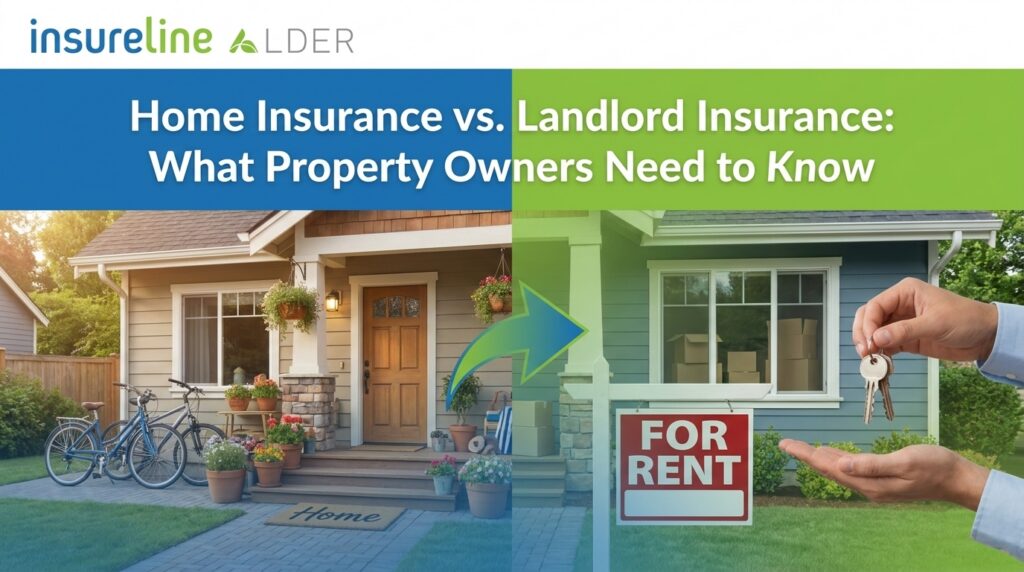
Transitioning a property from a primary residence to a rental unit fundamentally changes its risk profile. Understanding the nuances of home insurance vs. landlord insurance is one of the most critical steps a property owner must take before handing over the keys to a tenant. Relying on the wrong policy can leave you exposed to significant liability and property risks, potentially voiding your coverage when you need it most.
By properly categorizing how a property is used, owners can secure the exact protections necessary for their specific situation. Whether you are renting out a single room, listing a vacation property on a home-sharing platform, or managing a dedicated long-term rental, aligning your insurance coverage with your property’s actual use ensures your real estate investments remain fully protected.
Home Insurance vs. Landlord Insurance: Understanding the Core Differences
The Purpose of Standard Homeowners Policies
Standard homeowners policies are designed exclusively for owner-occupied properties. They protect the physical structure, the owner’s personal belongings, and personal liability against everyday risks. Because the owner lives on-site, insurance carriers assume a certain level of immediate maintenance and oversight, which generally lowers the risk of severe, unnoticed damage.
Why Tenant-Occupied Properties Require Specialized Coverage
When tenants occupy a property, the dynamics of risk change entirely. Landlord insurance is specifically engineered for these scenarios, accounting for the fact that the owner is not present to monitor daily wear and tear or catch sudden issues like a burst pipe immediately. Furthermore, a tenant-occupied property is an income-generating asset, requiring specialized protections for commercial liability and potential loss of rental income—elements never found in a standard residential policy.

Renting a Room vs. Owning a Secondary Property: Which Policy Do You Need?
Coverage for Renting Out a Portion of Your Primary Residence
If you live in your home and decide to rent out a spare bedroom or a basement suite, you do not necessarily need a full landlord policy. In many cases, you can maintain your standard homeowners coverage by adding a specialized endorsement. However, you must disclose this rental activity to your insurance provider immediately; failing to do so can result in denied claims.
When a Dedicated Landlord Policy Becomes Necessary
The moment you purchase a secondary property exclusively for rental purposes, a dedicated landlord policy becomes mandatory. Because you do not reside at this secondary location, a standard homeowner policy cannot be applied. A standalone landlord policy ensures the physical structure and your liability as a property owner are fully protected without the requirement of owner occupancy.
How Short-Term Rentals and Home-Sharing Impact Your Coverage
The Risks of Using Standard Policies for Vacation Rentals
The rise of home-sharing platforms has created a gray area for many property owners. Renting out your property for a weekend or a few weeks at a time introduces high turnover and varying degrees of guest screening. Standard policies explicitly exclude business activities, meaning any damage caused by a short-term guest will likely not be covered under a typical residential agreement.
Securing Specialized Coverage for Short-Term Guests
To safely host short-term guests, property owners must secure specific home-sharing or short-term rental endorsements. These specialized policies bridge the gap between residential and commercial use, providing robust liability protection and property coverage tailored to the unique risks of frequent guest turnover.

What Does a Standard Landlord Insurance Policy Cover?
Protection for Structural Property Damage
A landlord policy provides comprehensive protection for the physical building and any detached structures on the property, such as sheds or fences. This ensures that in the event of a fire, severe weather, or sudden accidental damage, the structural integrity of your investment can be restored.
Commercial General Liability for Property Investors
Liability is one of the most significant exposures for any property owner. If a tenant or their guest is injured on your property due to a maintenance oversight—such as a broken handrail or an icy walkway—commercial general liability coverage protects you from the resulting legal and medical expenses.
Coverage for Landlord-Owned Appliances and Contents
While a landlord policy does not cover the tenant’s belongings, it does protect the property owner’s contents left on-site for tenant use. This includes major appliances like refrigerators and stoves, as well as maintenance equipment like lawnmowers, ensuring these essential items are protected against covered perils.
Safeguarding Against Loss of Rental Income
If a covered disaster renders your rental property uninhabitable, the financial impact extends beyond physical repairs; you also lose your monthly rental income. Landlord policies typically include fair rental value coverage, which compensates you for the lost income while the property is being repaired, keeping your cash flow stable.
Additional Coverages to Consider: Overland Water and Sewer Backup
Mitigating Risks from Heavy Rainfall and Flooding
Standard policies often exclude damage caused by water entering the home from the outside. Adding an overland water endorsement protects your rental property from sudden accumulations of fresh water caused by heavy rainfall or rapid spring run-off, an essential safeguard for properties with basements or those situated in low-lying areas.
The Importance of Sewer Backup Endorsements
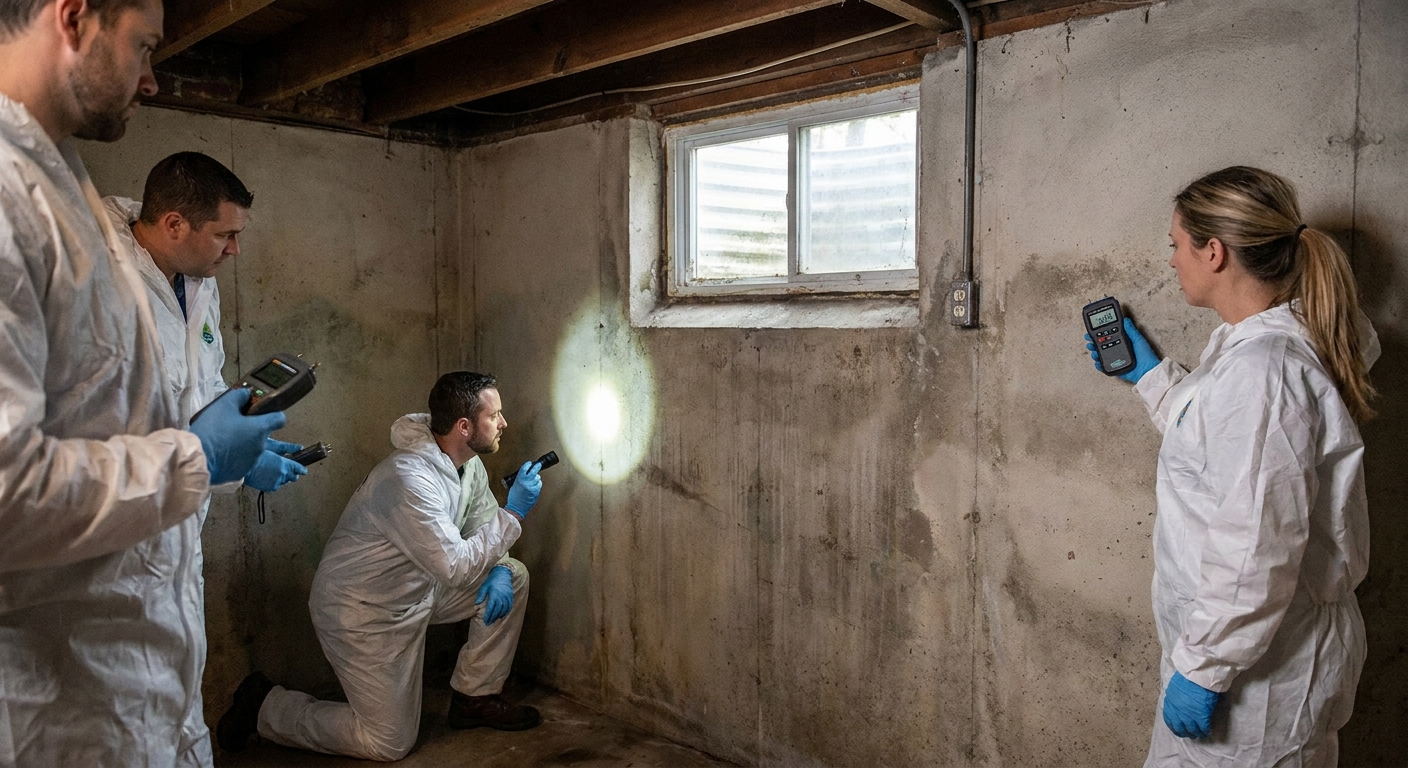
A sewer backup is a destructive and unsanitary event that requires immediate, extensive remediation. Adding a sewer backup endorsement ensures that if water or sewage reverses into your rental unit, the substantial cleanup and repair bills are covered, minimizing downtime and protecting the habitability of the property.
What Landlord Insurance Won’t Cover: The Importance of Tenant Insurance
Exclusions for Tenant Personal Belongings
It is a common misconception among renters that their landlord’s policy protects their personal items. Landlord insurance strictly covers the building and the owner’s assets. If a fire or theft occurs, the tenant’s belongings are entirely excluded from your policy, including:
- Furniture and Decor: Sofas, beds, and decorative items owned by the tenant.
- Electronics: Televisions, computers, and personal devices.
- Clothing and Jewelry: Everyday apparel and high-value personal accessories.
Understanding Tenant Liability
Just as your policy does not cover their belongings, it also does not cover their personal liability. If a tenant accidentally leaves a tap running and floods the unit, or if their guest causes damage to a neighboring property, the tenant is personally responsible for those damages.
Why Landlords Should Require Renters Insurance
To close these critical coverage gaps, landlords should make tenant insurance a mandatory condition of the lease agreement. When tenants carry their own coverage, it ensures they have the means to replace their belongings and covers their liability, significantly reducing the likelihood of disputes and out-of-pocket expenses for the property owner.
Best Practices to Reduce Your Liability as a Landlord
Implementing Thorough Tenant Screening Processes
Risk management begins before a lease is even signed. Conducting comprehensive background, credit, and reference checks helps identify reliable tenants who are more likely to treat your property with care. A rigorous screening process is your first line of defense against property damage and liability claims.
Maintaining Safe and Habitable Properties
Proactive maintenance is essential for preventing accidents and subsequent liability claims. Regularly inspecting the property, promptly addressing repair requests, and ensuring all safety features like smoke detectors and handrails are fully functional demonstrates a commitment to tenant safety and reduces your overall risk exposure.
Consulting with an Insurance Professional to Finalize Your Coverage
Navigating the complexities of property protection requires deep industry knowledge. At InsureLine Alder, our Managing Directors, Gurtaj Bahad (CIP, CAIB) and Michael Puni (Level 2 Broker), bring over 25 years of combined experience to help you build a resilient portfolio. We pride ourselves on educating our clients first, explaining coverages in layman’s terms so you understand exactly how your assets are protected.
With a 95% client retention rate and experience managing large-scale insurance portfolios—including multi-million dollar construction and cargo risks—we operate as a one-stop shop for all your insurance needs. Our process involves a thorough discovery discussion, early identification of coverage gaps, and a multi-carrier market search utilizing our extensive network of top-tier providers like Intact, Aviva, and Wawanesa. We stand by our 24-hour response guarantee and advocate fiercely for you with underwriters. Furthermore, we mandate reviews at renewal, ensuring your policy evolves alongside your investments. By partnering with a brokerage that prioritizes continuous updates and clear communication, you can manage your rental properties with absolute confidence.

Get the specifics on why standard home insurance isn’t enough for rentals.