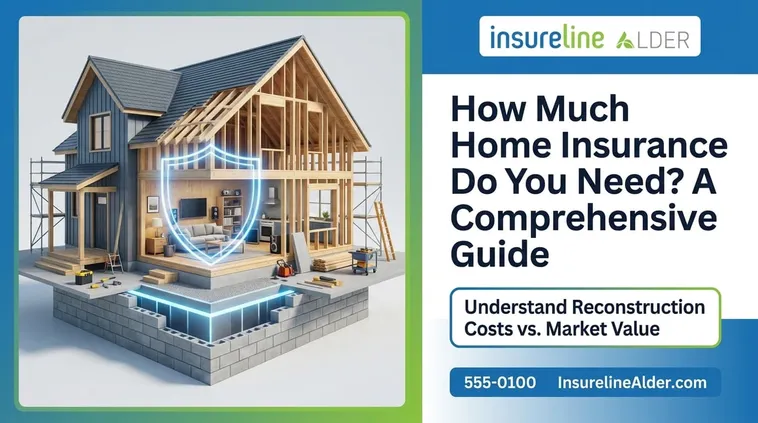
Figuring out exactly how much home insurance do you need starts with understanding that your coverage must reflect the true resources required to rebuild your life from the ground up, not just the real estate value of your property. Many homeowners mistakenly base their limits on current market dynamics, leaving them dangerously underinsured if a catastrophic event destroys their dwelling and belongings. A robust policy acts as a comprehensive safety net, protecting your physical structure, personal possessions, and long-term stability against unexpected liabilities.
By carefully evaluating your unique property type, structural characteristics, and lifestyle risks, you can build a foundational defense that ensures total peace of mind when the unpredictable happens. Properly evaluating your limits requires a deep dive into the specific features of your residence, the exact value of your personal contents, and the potential environmental risks surrounding your property.
Adjusting Coverage Based on Property Type
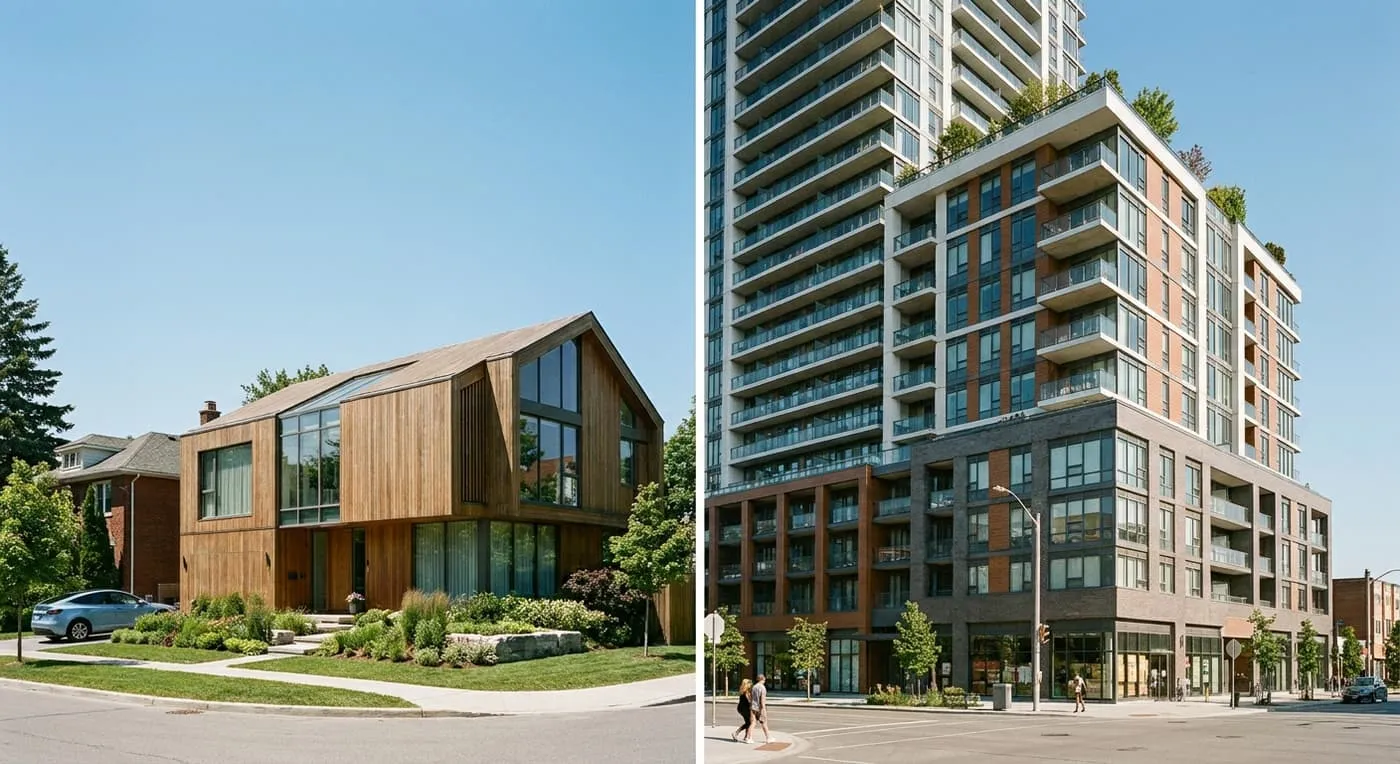
The foundation of determining how much home insurance do you need relies heavily on the specific type of property you occupy. A detached house, a condominium, and a rental unit each carry vastly different risk profiles and coverage requirements.
- Detached Houses: You are responsible for insuring the entire structure, including the foundation, roof, and all interior fixtures. This requires a comprehensive dwelling limit that accounts for total reconstruction.
- Condominiums: Owners typically only need “walls-in” coverage. The condominium corporation’s master policy usually protects the exterior building, meaning your personal policy should focus on interior upgrades and potential loss assessments.
- Renters: Tenants require a policy focused exclusively on personal contents and liability, as the physical building is the landlord’s responsibility.
At InsureLine Alder, we believe in educating the client first, explaining these structural coverage differences in layman’s terms so you secure the exact protection your living situation demands.
Calculating Your Dwelling Rebuilding Value
Your dwelling limit must reflect the total resources required to clear debris and reconstruct your home entirely from scratch. This rebuilding value is distinctly different from the real estate market value, which includes the land. Using the market value often leads to incorrect coverage levels. To ensure accuracy, you must factor in the square footage, architectural style, custom features, and the caliber of construction materials used in your home.
Coverage Limits for Detached Structures
When assessing your property, you must also account for any detached structures. Garages, sheds, fences, and gazebos require their own specific coverage limits. Typically, policies allocate a percentage of your main dwelling limit to these additional structures. If you possess extensive outbuildings or high-value detached workshops, you may need to increase this specific limit to ensure total protection.
Accounting for Inflation and Building Code Upgrades
Material and labor valuations constantly fluctuate. A valuation conducted five years ago will likely fall short today due to inflation. Furthermore, older homes may need to be brought up to modern building codes during reconstruction, which adds significant requirements not covered by standard policies. Adding an Ordinance or Law endorsement ensures you are protected against these regulatory upgrade mandates. Our Managing Director, Gurtaj Bahad, who holds CIP and CAIB designations, brings a numbers-first mindset to these complex valuations. Drawing from our extensive expertise in large-scale CMHC construction projects, we help ensure your dwelling limits accurately reflect current construction realities.

Estimating Personal Property and Contents Limits
Your physical structure is only half the equation; the items inside your home represent a massive asset. To accurately determine your contents limit, we strongly recommend conducting a comprehensive room-by-room inventory. Documenting furniture, electronics, clothing, and appliances provides a clear picture of your total personal property value. Michael Puni, our Managing Director known for his practical problem-solving and hands-on experience, always advises clients to maintain detailed records and visual evidence of their belongings to streamline any future claims process.
Choosing Between Actual Cash Value and Replacement Coverage
When insuring your possessions, you must choose how your policy values them during a loss. Actual Cash Value factors in depreciation, meaning a payout for a five-year-old television will only reflect its current, depreciated worth. Conversely, Replacement Coverage provides the funds necessary to purchase a brand-new item of similar make and quality at today’s retail standards. We always advocate for Replacement Coverage to ensure you are never left without adequate resources when replacing essential household goods.
Special Limits and Riders for High-Value Items
Standard policies impose strict maximum payouts for specific categories of high-value goods, such as jewelry, fine art, collectibles, and high-end electronics. If your collection exceeds these standard limits, you must add specialized riders or endorsements to your policy. Scheduling these items individually guarantees they are fully protected up to their appraised value.

Determining Adequate Personal Liability Protection
Personal liability protection is a critical component of your policy that shields your assets if someone is injured on your property or if you accidentally damage someone else’s property. Whether a guest slips on an icy walkway or a plumbing failure in your unit damages the condominium below, liability coverage handles legal defense requirements and settlement obligations.
While standard policies often provide a baseline liability limit, we strongly recommend increasing this to at least two million dollars to safeguard your long-term stability. A single severe injury claim can easily exhaust lower limits. As part of our mandatory policy review process, we identify these coverage gaps early. With over 25 years of combined experience, our team ensures your liability limits are robust enough to protect your life savings and future earnings from unexpected litigation.
Factoring in Additional Living Expenses (ALE)
If a severe fire or natural disaster renders your home uninhabitable, you will need a place to stay while repairs are completed. Additional Living Expenses, or ALE, cover the logistical challenges of temporary housing, hotel stays, restaurant meals, and other essential daily needs while you are displaced. This coverage is vital for maintaining your standard of living during a highly stressful transition period.
ALE is typically calculated as a percentage of your main dwelling limit. It is crucial to understand the duration and maximum payout of your ALE provision. Our 24-hour response guarantee means that if disaster strikes, InsureLine Alder is available immediately to assist you during the claims process and help activate your ALE benefits so you and your family have a safe place to sleep.

Assessing the Need for Earthquake and Flood Endorsements
Many homeowners assume their standard policy covers all natural disasters, but this is a dangerous misconception. Unpredictable environmental events, specifically earthquakes and overland flooding, are almost universally excluded from standard property policies. If your property is situated near a fault line, a major waterway, or in a valley susceptible to heavy rainfall accumulation, you must secure specialized endorsements to protect your home.
Evaluating your environmental risk requires a detailed understanding of your local topography and regional weather patterns. We leverage our large network of industry colleagues and top-tier carriers—including Intact, Aviva, and Wawanesa—to source the exact environmental endorsements your property requires. We advocate directly with underwriters to secure comprehensive protection against seismic activity and water damage, ensuring your home is shielded against the most severe forces of nature.
Next Steps to Secure Your Home Insurance Policy
Understanding exactly how much home insurance do you need is an ongoing process that evolves with your lifestyle, renovations, and changing environmental factors. Securing the right limits requires careful assessment, strategic planning, and a deep understanding of policy nuances. We strongly encourage you to review your current limits annually and address any life changes or property upgrades that may create coverage gaps.
At InsureLine Alder, we serve as your one-stop insurance shop, open seven days a week to tailor the right solutions for your entire portfolio. From the initial discovery discussion to the final policy issuance, our transparent process prioritizes your unique needs. With a 95 percent client retention rate and a commitment to re-evaluating your coverages at every renewal, we ensure you always maintain optimal protection. Reach out today to schedule a comprehensive policy review and secure the peace of mind you deserve.