
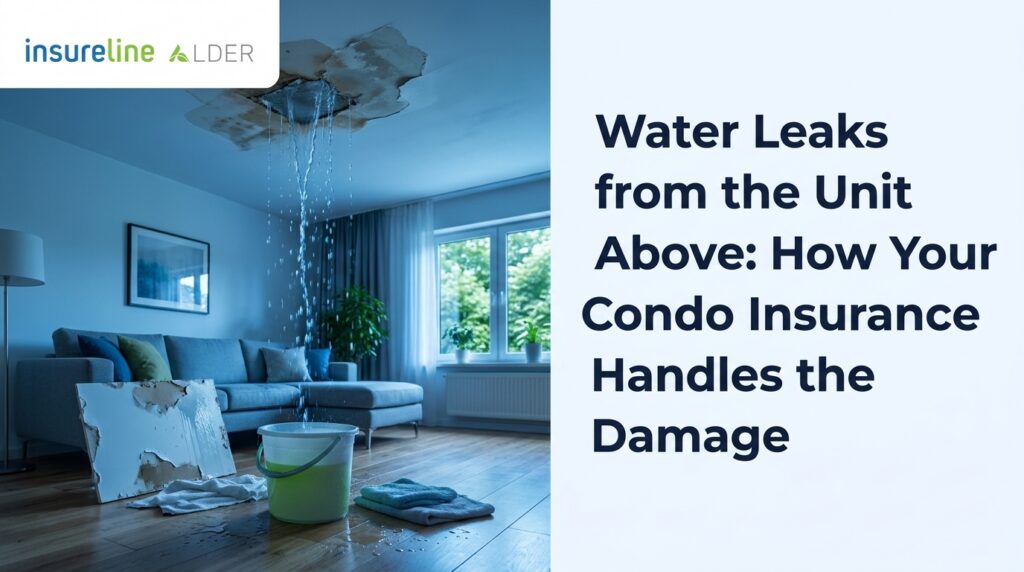
Water cascading through your ceiling is one of the most stressful experiences a condo owner can face. The immediate focus must be on stopping the flow and protecting your property, but the aftermath often brings a confusing web of liability, association bylaws, and overlapping policies. When facing Water Leaks from the Unit Above: How Your Condo Insurance Handles the Damage determines how quickly your home is restored and your peace of mind recovered.
We have over 25 years of combined experience navigating complex property claims, and we know that understanding the boundaries of your coverage is the first step to taking control of the situation. With a focus on educating the client first and explaining coverages in layman’s terms, we want to clarify exactly what happens when water breaches your ceiling and how your personal policy steps in to protect you.
Immediate Steps to Take When Water Leaks from the Condo Above
Mitigating the Immediate Damage
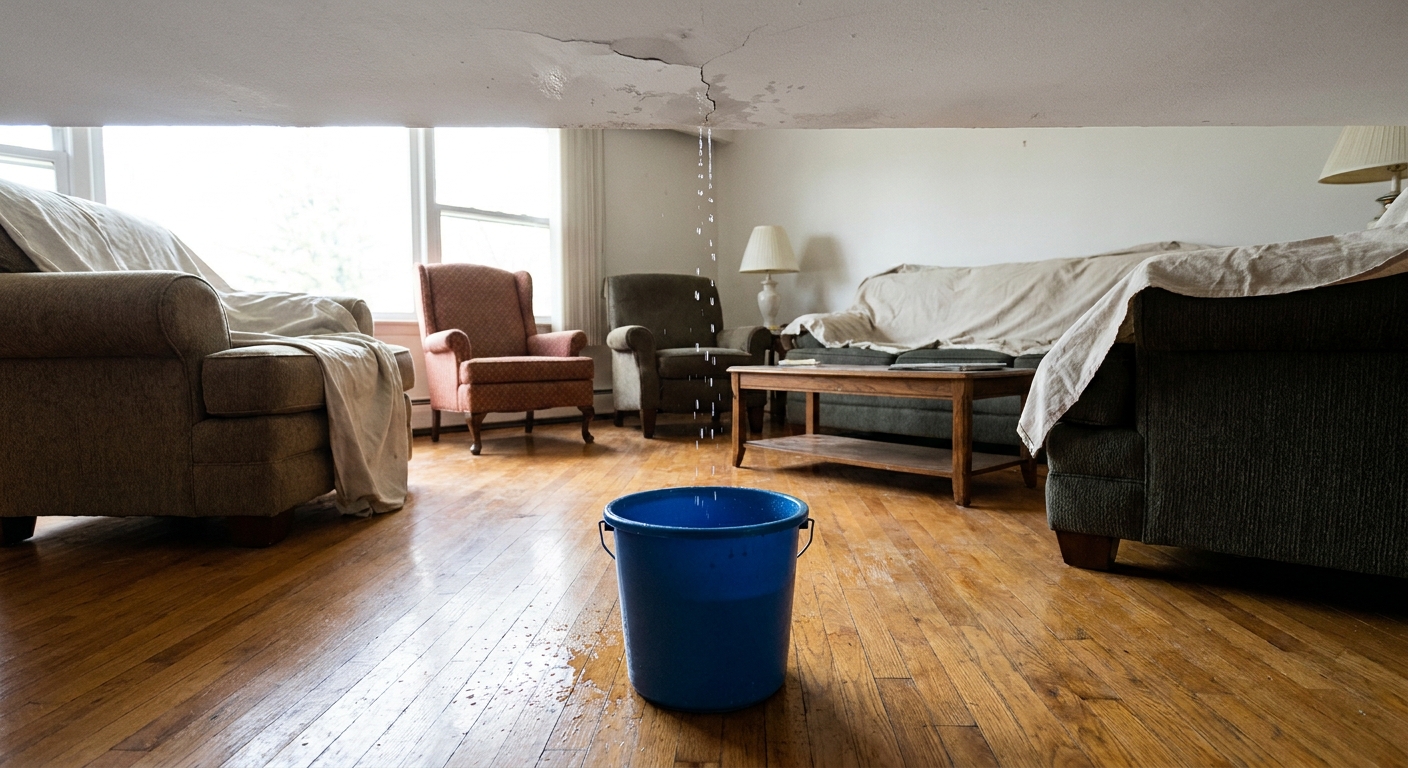
Safety is always the top priority. Turn off electricity to the affected area if it is safe to do so. Move furniture, rugs, and valuable belongings away from the water’s path, and place buckets to catch active dripping. Taking these swift actions helps prevent secondary issues like mold, which is a critical part of mitigating the loss before an adjuster even arrives.
Documenting the Incident for Insurance
Thorough documentation is essential for a smooth claims process. Take clear, well-lit photographs and videos of the active leak, the damaged areas, and any affected personal property. As brokers who advocate for our clients with underwriters, we rely on this detailed evidence to ensure the full scope of your loss is recognized and processed efficiently.
Notifying the Upstairs Neighbor and Property Manager
Immediately alert the resident above you, as they may be entirely unaware of the situation. Next, contact your building’s property manager or emergency maintenance line. They can shut off the main water supply if the neighbor is unreachable and will need to document the incident for the building’s official records.
Common Causes of Upstairs Condo Water Leaks
Overflowing Fixtures and Appliances
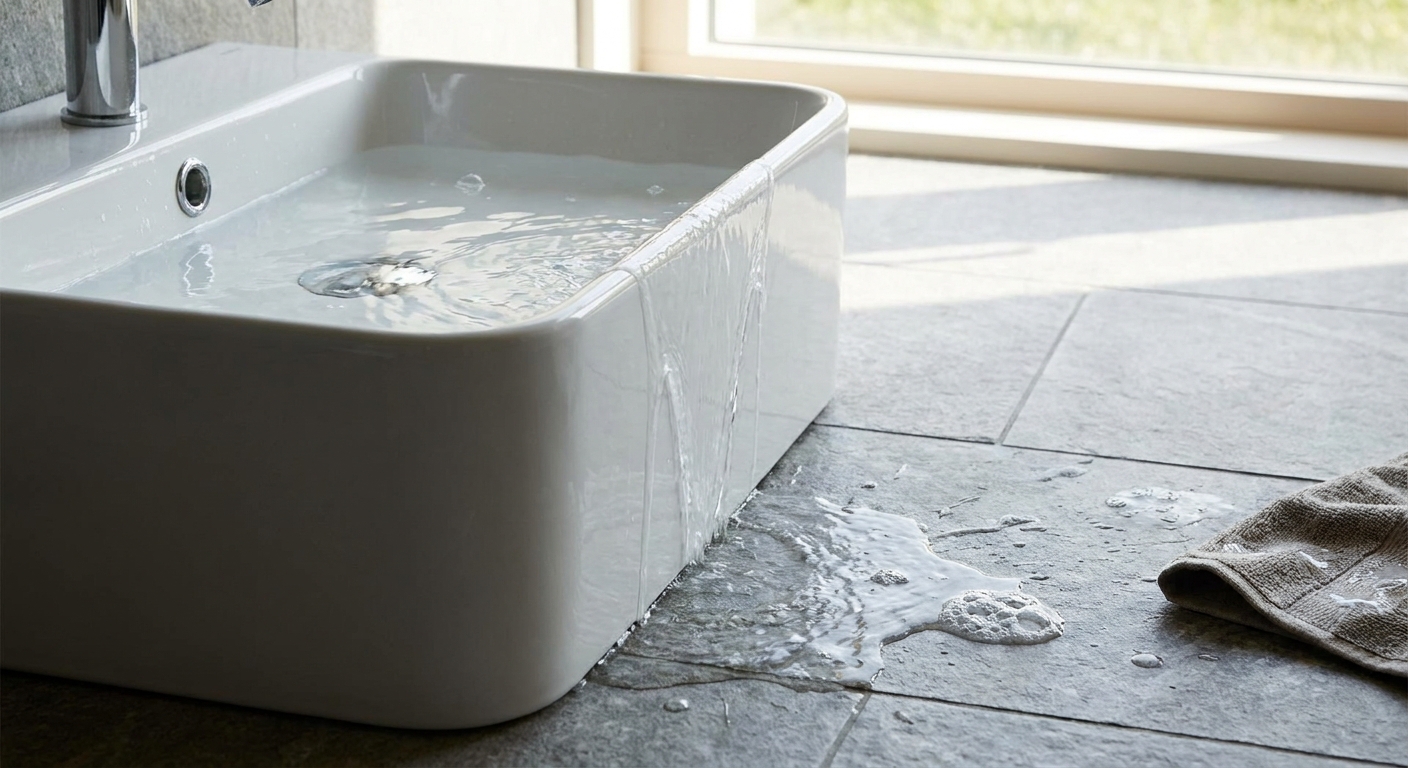
Many incidents originate from simple human error or appliance failure in the unit directly above. An overflowing bathtub, a malfunctioning washing machine, or a blocked sink can quickly send gallons of water seeping through the floorboards and into your ceiling.
Burst or Leaking Plumbing
Hidden plumbing systems are another frequent culprit. Supply lines to toilets, aging pipes within the walls, or failing water heater tanks can rupture without warning. Identifying the exact source is a vital step because it heavily influences how the ensuing claim is categorized and managed by all parties involved.
Determining Liability: Is the Upstairs Neighbor or the Condo Association at Fault?
Assessing Neighbor Negligence
If the damage stems from an action or neglect by the upstairs resident—such as leaving a faucet running or failing to maintain their appliances—they are typically considered liable. In these scenarios, their personal liability coverage may ultimately be called upon to address the resulting destruction.
Evaluating Common Property Failures
Conversely, if a main building pipe bursts inside a shared wall, the fault usually lies with the condominium association. Our Managing Directors, Gurtaj Bahad and Michael Puni, have built deep industry roots analyzing these exact distinctions. Utilizing their Chartered Insurance Professional (CIP) and Canadian Accredited Insurance Broker (CAIB) expertise, and as proud members of the IBABC, they guide clients through these complex liability assessments.

Reviewing Your Condo Association Bylaws for Water Damage
Understanding Walls-In Coverage
Condo ownership generally means you are responsible for everything from the drywall inward, while the association handles the building’s exterior and structural framework. This concept, often referred to as walls-in coverage, establishes the physical boundaries of your personal property and dictates where your individual policy applies.
How Bylaws Dictate Insurance Responsibilities
Every building has a unique set of bylaws or declarations that outline the exact division of insurance responsibilities. These documents define what constitutes a standard unit versus an owner-installed upgrade. Reviewing these rules is mandatory, as they determine whether the building’s master policy or your personal coverage will respond first to the structural repairs.
How Your Condo Insurance Handles the Water Damage Claim
Regardless of who is ultimately at fault, your personal policy is designed to step in immediately to protect your interests. When dealing with Water Leaks from the Unit Above: How Your Condo Insurance Handles the Damage is by initiating a claim on your own policy to ensure your living space is restored without waiting for third-party disputes to settle. We offer a 24-hour response guarantee to our clients, ensuring that when disaster strikes, you have immediate support and continuous updates throughout the entire claims process.
Protecting Your Personal Belongings
Your policy includes contents coverage, which applies to your furniture, electronics, clothing, and other personal items ruined by the water. By processing the claim through your own provider, you ensure these items are replaced or repaired promptly.
Covering Unit Upgrades and Improvements
If you or a previous owner installed custom flooring, upgraded cabinetry, or high-end fixtures that exceed the building’s standard unit definition, your personal policy’s improvements and betterments coverage will address these damages. As a one-stop insurance shop working with a diverse network of carriers—including Intact Insurance, Aviva Canada, and Wawanesa Insurance—we tailor these specific coverages to your unique living space.

The Role of Subrogation in Condo Water Leaks
Subrogation is a behind-the-scenes legal process that heavily benefits the policyholder. After your insurance company pays for your repairs and replaces your damaged belongings, they assume your right to pursue the at-fault party. If the upstairs neighbor or the building association is found liable, your provider will seek reimbursement directly from them. This process allows your home to be restored immediately while the insurance companies handle the complex legal and financial recovery in the background. With a 95% client retention rate and experience managing large portfolios, we stand by our clients during these intricate proceedings, ensuring your claim is handled fairly.
Tips for Preventing Future Water Damage and Updating Your Policy
Maintaining Proper Insurance Coverage Limits
As your property evolves, so should your protection. We conduct mandatory reviews at renewal to identify any coverage gaps and account for new renovations or life changes. Maintaining accurate limits for your personal property and unit improvements ensures you are never caught underinsured during a major loss.

Fostering Good Communication with Neighbors
Establishing a positive relationship with the residents around you can drastically reduce the response time during an emergency. Knowing how to quickly contact your upstairs neighbor can stop a minor leak from becoming a catastrophic event. Combining proactive communication with a robust, expertly tailored policy ensures you are fully prepared for whatever challenges arise in your building.
For a clear line between what the strata covers and what you cover, see strata vs personal condo insurance explained.