
Living in a multi-story building offers convenience and community, but it also introduces unique shared risks. You might be relaxing at home when you suddenly notice a damp spot spreading across your ceiling. When you are dealing with water leaks from the unit above: how your condo insurance handles the damage becomes your most pressing concern. The sudden influx of water can threaten your personal belongings, compromise the structural integrity of the building, and lead to complex liability disputes with your neighbors.
Time is of the essence when moisture breaches your ceiling. Left unchecked, even a minor drip can trigger widespread property damage and mold growth within 48 hours. Understanding the mechanics of your policy, the boundaries of your ownership, and the steps required to mitigate the situation will empower you to navigate this stressful event smoothly. By acting quickly and relying on professional guidance, you can protect your living space and ensure your coverage responds as intended.
Recognizing the Early Signs of Ceiling Water Damage
Catching a leak early is the most effective way to prevent catastrophic damage to your unit. Water travels along the path of least resistance, meaning the visible sign on your ceiling might not align perfectly with the source above. Being vigilant about subtle changes in your home can save you from extensive restoration work.
Discoloration and Unexplained Watermarks
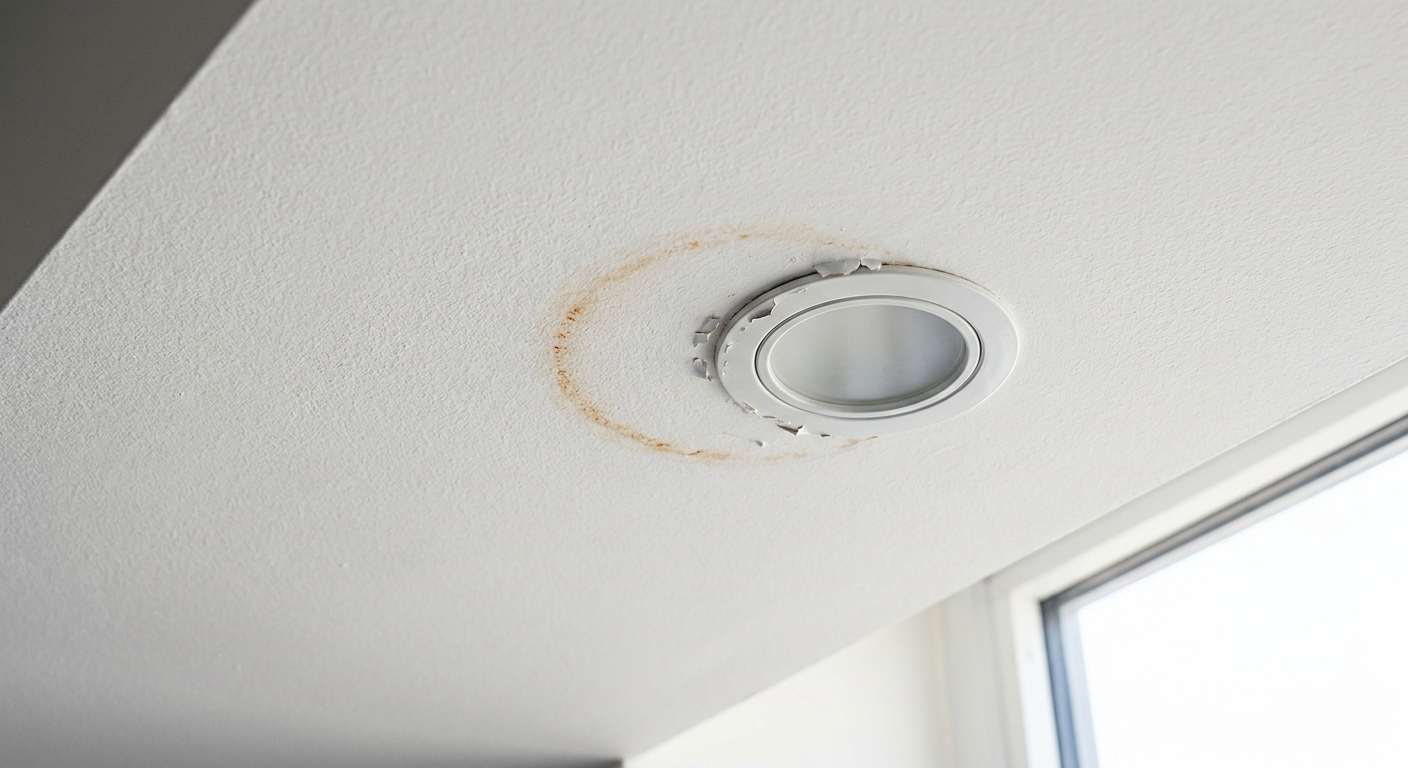
The first indicator of a problem is often a faint, rust-colored or yellowish-brown ring on the ceiling. These watermarks frequently appear around light fixtures, vents, or the seams where the ceiling meets the wall. Even if the spot feels dry to the touch, it signifies that moisture has pooled behind the drywall at some point.
Peeling Paint and Structural Swelling
As drywall absorbs moisture, it expands and loses its structural integrity. You may notice the paint bubbling, cracking, or peeling away in strips. In more severe cases, the ceiling itself may begin to sag or bow under the weight of accumulated water, signaling an imminent risk of collapse.
Hidden Moisture and Musty Odors
Not all leaks present themselves visually right away. A persistent, musty odor in a specific room often points to hidden moisture trapped between the floors. If the environment remains damp, mold and mildew will begin to colonize the dark, enclosed spaces between your ceiling and the neighbor’s floor, creating potential air quality issues for your household.
Immediate Steps to Take When Water Leaks from the Condo Above
When an active leak occurs, your immediate priority is to mitigate the damage. Insurance policies require policyholders to take reasonable steps to prevent further loss. Acting decisively protects your property and fulfills your duties under your policy.
Protect Your Belongings and Furniture
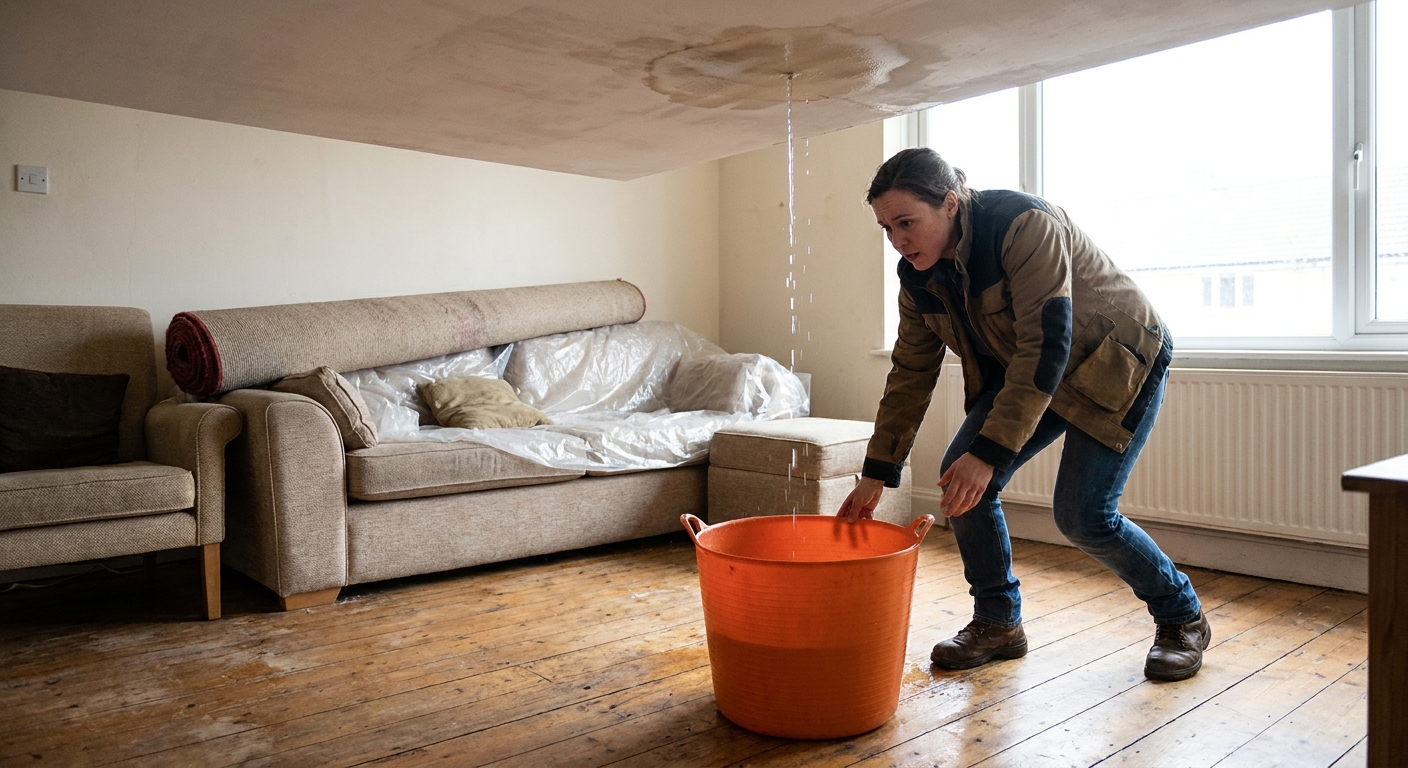
Immediately move all furniture, rugs, electronics, and valuables away from the affected area. If heavy items cannot be relocated, cover them entirely with thick, waterproof tarps. Protecting your personal property is a critical first step in minimizing the overall impact of the event.
Contain the Water to Minimize Spread
Place large buckets, trash cans, or deep containers directly under the drip to catch the falling water. Lay down thick towels around the containers to absorb any splashing. If the ceiling is heavily bulging, a professional may need to carefully puncture a small hole to release the trapped water and prevent the entire ceiling from collapsing, though this should only be done if you can safely manage the resulting flow.
Notify the Upstairs Neighbor and Building Management
Urgency is critical. Contact your upstairs neighbor immediately so they can stop the flow at the source, whether by turning off a faucet or shutting off their main water valve. Simultaneously, notify your building’s property management or association board. They often have emergency protocols and can dispatch a professional plumber to address issues within the shared infrastructure.
Identifying the Source: Common Causes of Upstairs Leaks
Determining exactly where the water is coming from is essential for establishing liability and processing the claim. In a multi-family building, leaks typically originate from a few common culprits.
Aging Plumbing and Pipe Failures
Over time, plumbing infrastructure deteriorates. Supply lines can burst, joints can weaken, and drain pipes can corrode. If the building is older, the likelihood of a pipe failure behind the walls or between the floors increases significantly.
Overflowing Tubs, Sinks, and Appliances
Human error and appliance malfunctions are frequent causes of sudden water intrusion. A neighbor accidentally leaving a bathtub running, a washing machine hose bursting, or a dishwasher overflowing can send gallons of water seeping through the floorboards and directly into your unit.
Faulty Waterproofing in Wet Areas
Slow, insidious leaks often stem from deteriorated grout, failing caulk, or compromised shower pans in the upstairs bathroom. When the waterproofing fails, regular daily activities like taking a shower allow water to slowly seep into the subfloor and eventually manifest on your ceiling.
Who is Liable? The Upstairs Neighbor, Downstairs Owner, or the Condo Association?
Liability in a condominium setting is notoriously complex. Drawing on over 25 years of combined experience and a history of managing a large book of business, our team at InsureLine Alder knows that determining fault requires a careful investigation of the leak’s origin.
When the Upstairs Neighbor is at Fault
If the leak resulted from the upstairs neighbor’s negligence—such as an overflowing sink or failure to maintain their personal appliances—they are generally held liable. In these cases, their personal liability coverage should ideally respond to the damage inflicted on your unit.
When the Condo Association is Responsible
If the water originates from a common element, such as a main plumbing stack or a shared roof, the condominium association is typically responsible. The association’s master policy should cover the repairs to the shared infrastructure and, depending on the bylaws, may also cover certain damages to your unit.
Navigating Shared Liability Scenarios
Often, liability is not entirely clear-cut. A pipe might serve only one unit but be located within a shared wall. Michael Puni, our Managing Director and a Level 2 Insurance Broker, emphasizes the importance of hands-on, practical problem-solving in these scenarios. We advocate for our clients with underwriters to ensure that liability is accurately assigned and that you are not unfairly burdened.
Reviewing Your Condo Documents and Bylaws
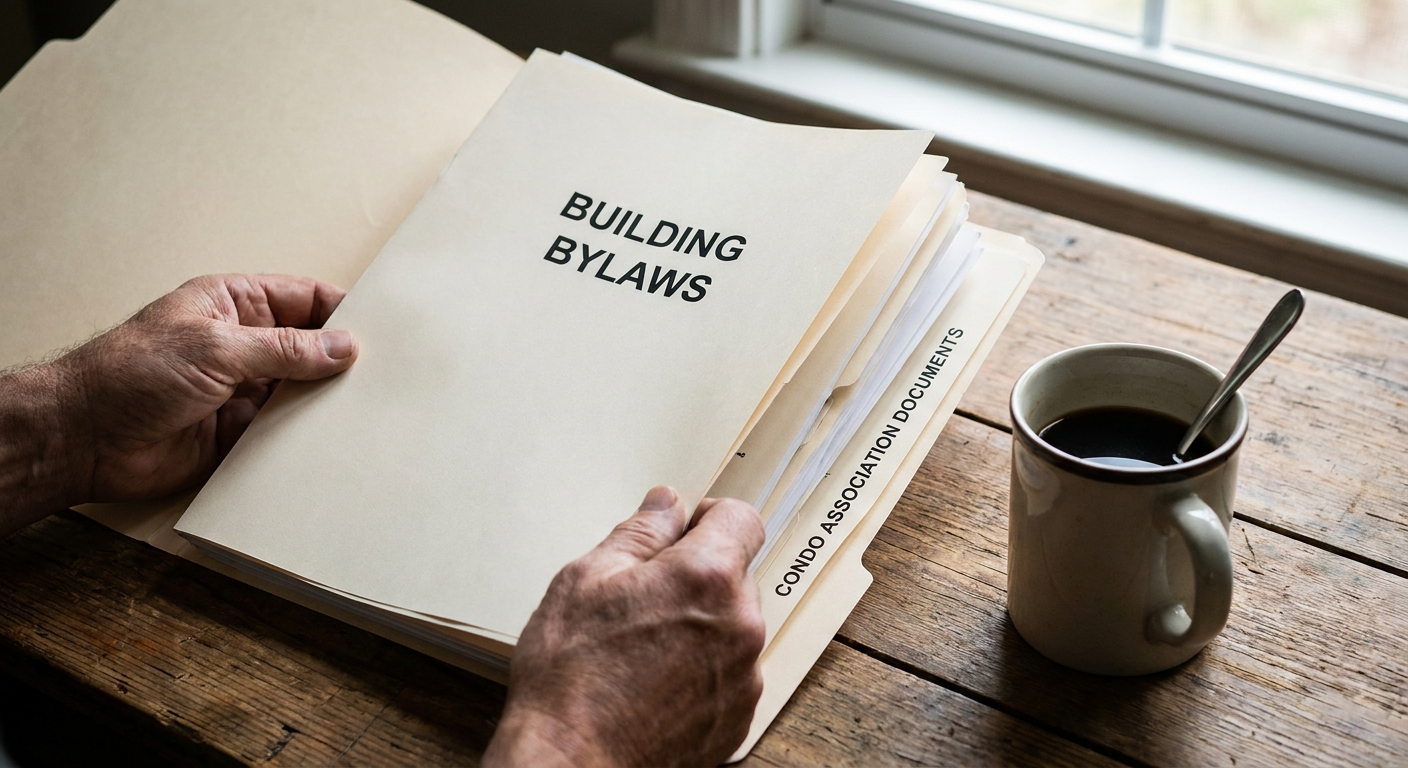
Your condominium declarations and bylaws are the ultimate authority on who owns what and who is responsible for maintenance. Understanding these documents is a crucial step in the recovery process.
Defining Ownership Boundaries
Condo documents define the boundaries of your unit. Some bylaws stipulate that you own everything from the drywall inward, while others may include the exterior walls or subfloors. Knowing these boundaries dictates whether your personal policy or the master policy applies to the structural repairs.
Understanding Maintenance Responsibilities
The bylaws also outline maintenance obligations. If the documents state that unit owners are responsible for all plumbing serving only their unit, an upstairs neighbor cannot shift the blame to the association for a faulty pipe under their sink. Reviewing these rules early prevents delays in the resolution process.
How Your Condo Insurance Policy Handles the Damage
When facing water leaks from the unit above: how your condo insurance handles the damage depends entirely on the structure of your specific policy. At InsureLine Alder, our one-stop insurance shop approach means we educate the client first, explaining these coverages in layman’s terms so you know exactly how you are protected.
Walls-In Coverage Explained
Your personal condo policy provides walls-in coverage, protecting the interior structure of your unit. If the ceiling drywall, flooring, or custom cabinetry is ruined by the leak, this section of your policy responds to fund the necessary repairs, bridging the gap where the association’s master policy stops.
Personal Property Protection
Water can destroy furniture, clothing, and electronics in minutes. Your personal property coverage is designed to replace these items. We always ensure our clients have the right policy for their needs, meaning your belongings are adequately evaluated and protected against sudden water intrusion.
Loss of Use and Additional Living Expenses
If the damage is severe enough that your unit becomes uninhabitable during the restoration, your policy includes coverage for Additional Living Expenses. This ensures you have a place to stay and covers the extra day-to-day living requirements while your home is being professionally repaired.
Subrogation: Holding the At-Fault Party Accountable
If the upstairs neighbor is clearly at fault, your insurance carrier will likely pay your claim first to get your home repaired quickly. Afterward, they will pursue the neighbor’s insurance to recover the funds—a process known as subrogation. Gurtaj Bahad, our Managing Director holding CIP and CAIB designations, utilizes a numbers-first mindset to ensure our clients understand how this process protects their long-term insurance record.
Filing Your Water Damage Claim: Documentation and Timelines
A smooth claims process relies on prompt action and thorough documentation. With our 24-hour response guarantee, we are open 7 days a week for insurance services, ensuring you are never alone when disaster strikes.
Gathering Photographic and Video Evidence
Before any cleanup begins, take extensive photos and videos of the active leak, the damaged ceiling, and all affected personal property. This visual evidence is undeniable proof of the event and is essential for the adjuster to accurately evaluate the loss.
Contacting Your Insurance Carrier Promptly
Report the incident to your broker immediately. Early identification of the issue allows us to start the process without delay. We represent a large network of nationwide insurance providers, including Intact Insurance, Aviva Canada, and Wawanesa Insurance, allowing us to seamlessly facilitate the initial reporting phase.
Working with the Claims Adjuster
An adjuster will be assigned to evaluate the destruction. We believe in clear and professional communication, assisting clients during the claims process every step of the way. We advocate on your behalf, ensuring the adjuster sees the full scope of the impact and that no detail is overlooked.

Next Steps: Navigating the Recovery Process and Protecting Your Condo
Once the claim is in motion, the focus shifts to restoring your home and preparing for the future. Proper remediation is non-negotiable for the long-term health of your property.
Ensuring Proper Professional Restoration
Water mitigation is not a task to be taken lightly. It is imperative to hire certified restoration professionals who have the equipment to detect hidden moisture, properly dry the structural elements, and prevent mold proliferation. Thorough, professional work guarantees your home remains a safe environment.
Reviewing Your Policy for Future Readiness
After the dust settles, it is the perfect time for a current policy review. We conduct mandatory reviews at renewal to identify any coverage gaps or life changes that may affect your protection. With a 95% client retention rate, InsureLine Alder is committed to tailoring the right solutions, ensuring you always have the optimal coverage in place for whatever happens next.
To see exactly where the strata’s master policy stops and your unit policy begins, read strata versus personal condo coverage gaps.