
Hauling goods for someone else means you take on responsibility the moment freight is loaded. A single overturned trailer, a stolen load, or a reefer breakdown can wipe out your profit on many future trips. The right motor truck cargo insurance shifts that financial risk away from your operating cash, but only if the policy actually matches how you haul and what you carry.
Many operators confuse cargo coverage with commercial auto liability. They are not the same. This guide answers who needs motor truck cargo insurance in BC, what it covers, and how legal and contractual obligations shape the answer.

Understanding Motor Truck Cargo Insurance
Motor truck cargo insurance protects the goods you haul for others while those goods are in your care, custody, or control. That includes transit, loading and unloading, and often temporary storage at a terminal. It responds to physical loss or damage from events like collision, overturn, theft, fire, lightning, explosion, load shifts, water damage from a covered cause, and reefer breakdown when temperature-sensitive goods are properly insured.
It does not replace commercial auto liability, which covers injury or property damage you cause to others. It also does not cover physical damage to your own tractor or trailer. A robust transportation package may include cargo, liability, physical damage, and warehouse legal liability as separate parts. Cargo coverage is the piece that pays for the freight itself.
The most important section of any cargo policy is the exclusions page. Policies commonly restrict unattended vehicle theft unless the unit is locked in a secure yard or has an alarm, GPS, or specific parking practices. High-value commodities like electronics, alcohol, pharmaceuticals, and seafood often require an endorsement. Improper packaging, employee dishonesty, and delay-only claims are frequent gaps. Ask for the policy wording, not just a certificate, because a certificate shows coverage exists but not every limit, condition, or commodity restriction.
Who Needs Motor Truck Cargo Insurance in BC?
The short answer is: anyone who moves goods for payment or takes legal responsibility for freight from point A to point B. Below are the most common categories we see day to day.
For-Hire Motor Carriers
If you operate under a bill of lading or freight contract, you are legally responsible for the cargo while it is in your possession. Even if a collision is not your fault, shippers look to the carrier for the value of lost or damaged goods. Cargo insurance is not optional if you want to stay in business.
Owner-Operators and Independent Truckers
Lease agreements with motor carriers often require you to maintain a minimum cargo limit before you can pull their trailers. Even if you run under your own authority, a single stolen load of consumer electronics or auto parts can exceed your cash reserves. Cargo coverage protects your income and your relationship with dispatchers.

Private Carriers
Private fleets hauling their own products—such as a manufacturer moving finished goods to a warehouse—face first-party loss. If your own truck rolls and the inventory is destroyed, you bear the entire replacement cost without cargo coverage. This is often overlooked because private carriers assume their commercial auto policy covers the load; it usually does not.
Freight Forwarders and Brokers
Brokers and forwarders who arrange transport but never take possession can still be held liable under certain contracts, especially if they issue their own bill of lading or assume responsibility for carrier selection. Contingent cargo coverage or a motor truck cargo policy can respond when the underlying carrier’s coverage is insufficient or denied.
Warehouse and Terminal Operators
Goods stored while awaiting delivery are often covered by motor truck cargo policies, but only if the policy includes terminal coverage. If you operate a cross-dock or storage yard, clarify whether your warehouse legal liability policy and cargo policy overlap or leave a gap.
Specialized Trucking Operations
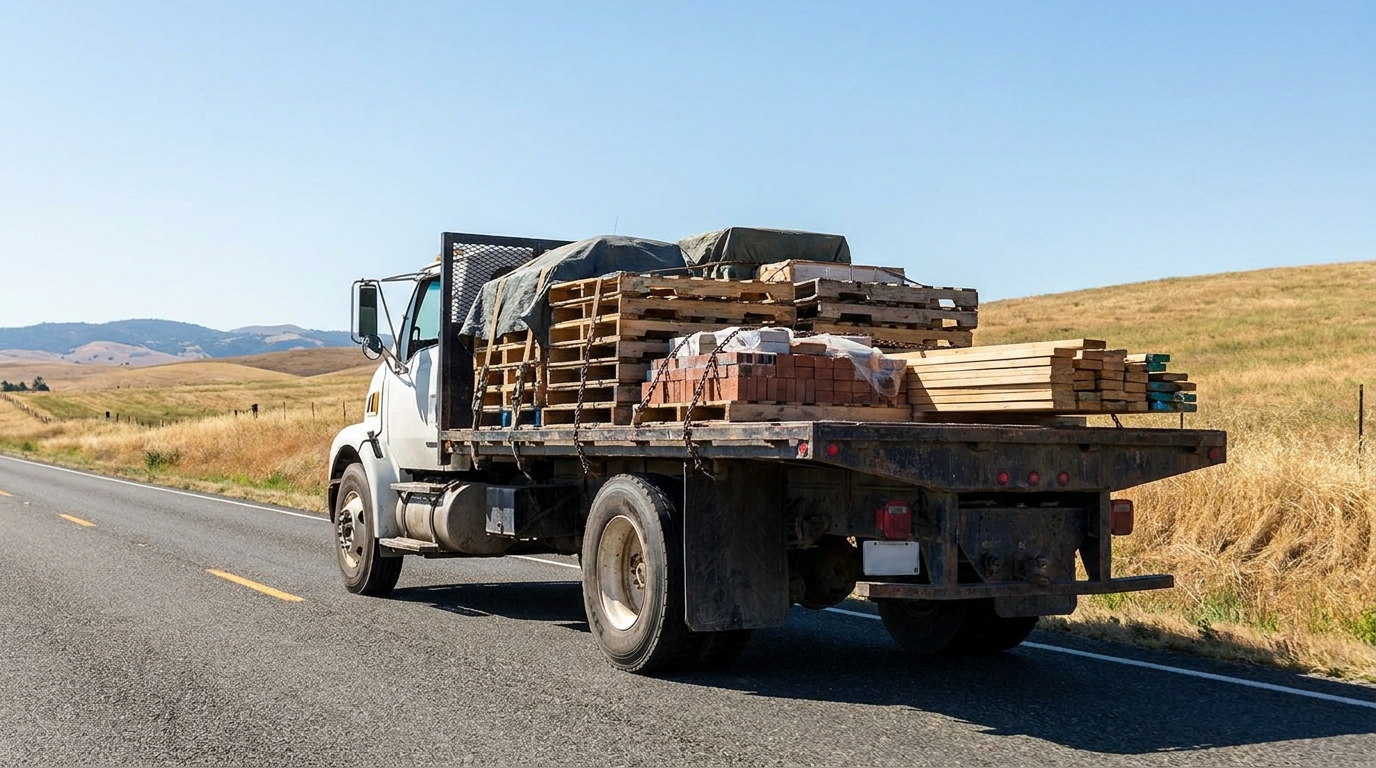
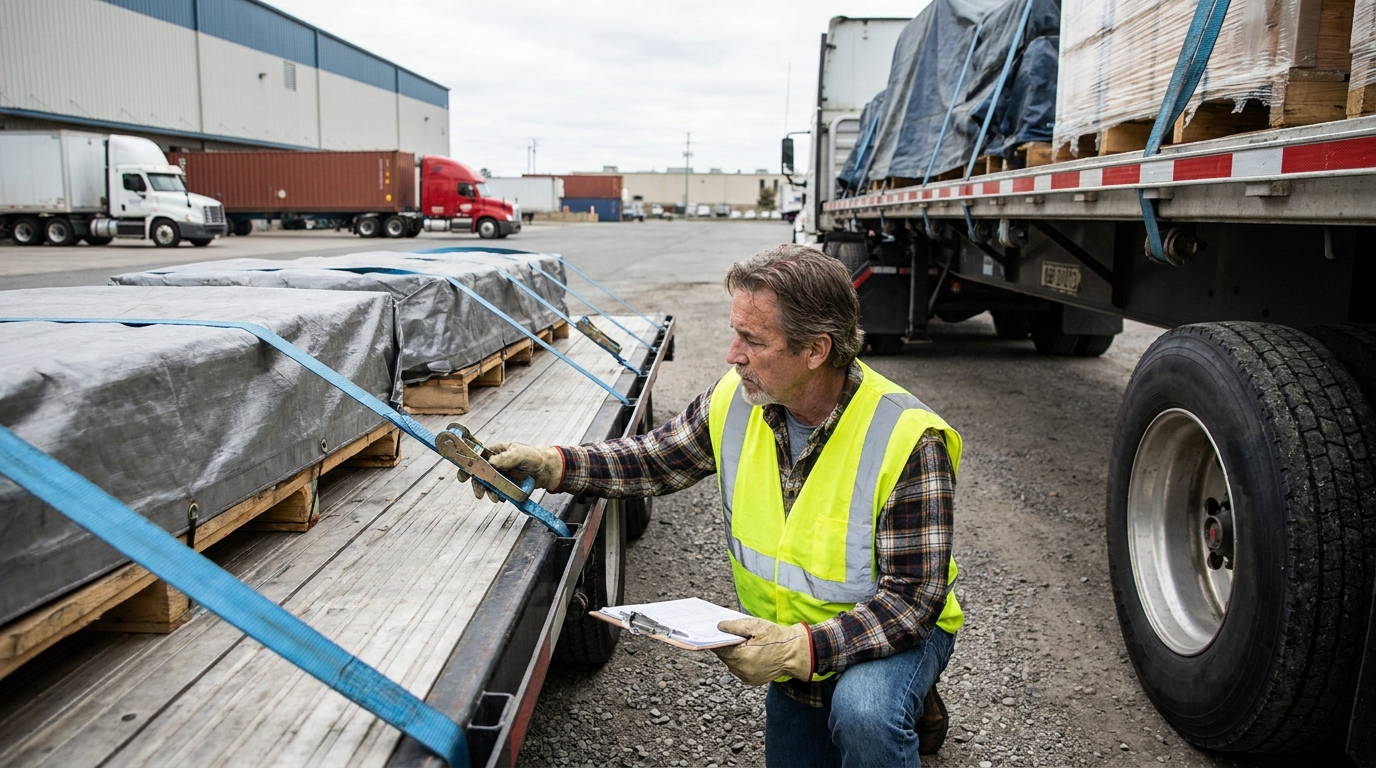
Flatbed operators face load securement claims; bulk liquid haulers face spills and contamination; reefer haulers face spoilage if the unit fails. LTL dry van operators face load shifts and multiple stops. Each specialization needs endorsements matched to the commodity, not a generic policy.
Cross-Border Trucking Operations
Hauling across international borders exposes you to different legal standards, higher theft activity, and the need for coverage that responds in multiple jurisdictions. A policy written only for domestic runs may not follow the load once it crosses the line.
Legal and Contractual Obligations for Cargo Insurance
Legal Requirements
In many jurisdictions, commercial trucks must carry a minimum amount of cargo insurance to operate. Those minimums are often far lower than the actual value of the freight—sometimes as little as $15,000 to $32,000 per vehicle depending on weight and commodity. Relying on the legal minimum can leave a six-figure load severely underinsured.
Cross-border operations add another layer, as you may need to satisfy separate federal or state requirements. Compliance with one region does not automatically satisfy another.
Contractual Obligations
Shippers, brokers, and third-party logistics providers regularly demand cargo limits of $100,000 or $200,000 in their contracts, even when the legal minimum is lower. They may also require all-risk coverage, specific deductibles, or additional insured endorsements. Before signing a freight contract, read the cargo insurance clause carefully. A broker’s certificate request is not just paperwork—it defines your exposure.
Review every contract against your policy. If a contract requires coverage for unattended vehicle theft and your policy excludes it unless the trailer is in a fenced yard, you have a gap that a court claim will expose.

Conclusion: Protect Your Cargo and Your Business
Motor truck cargo insurance is not a one-size-fits-all purchase. The right answer depends on the commodities you haul, the routes you run, the contracts you sign, and the parties you serve. Start by identifying your highest realistic load value, then review exclusions that apply to your specific operation.
We help operators match cargo limits and endorsements to the freight they actually carry, not just the minimum needed to register a truck. If you are unsure whether your current policy would respond to a stolen load or a spoiled reefer shipment, reach out for a coverage review before your next dispatch.
See exactly what a cargo policy covers and excludes in the motor truck cargo coverage breakdown.