
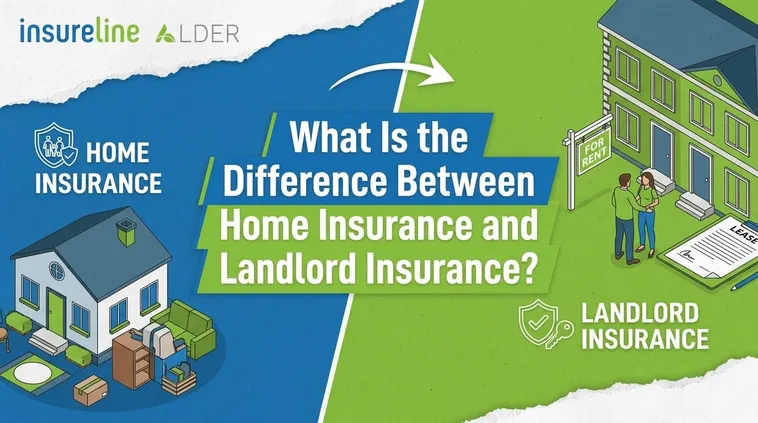
When property owners decide to rent out a space, a common question arises: what is the difference between home insurance and landlord insurance? The distinction comes down to who occupies the property and the unique risks associated with generating rental income.
Standard homeowner policies are designed for owner-occupied properties, protecting personal belongings and personal liability. The moment a tenant moves in, the risk profile shifts entirely, requiring a specialized policy to address premises liability, rental income protection, and damage caused by non-owners.
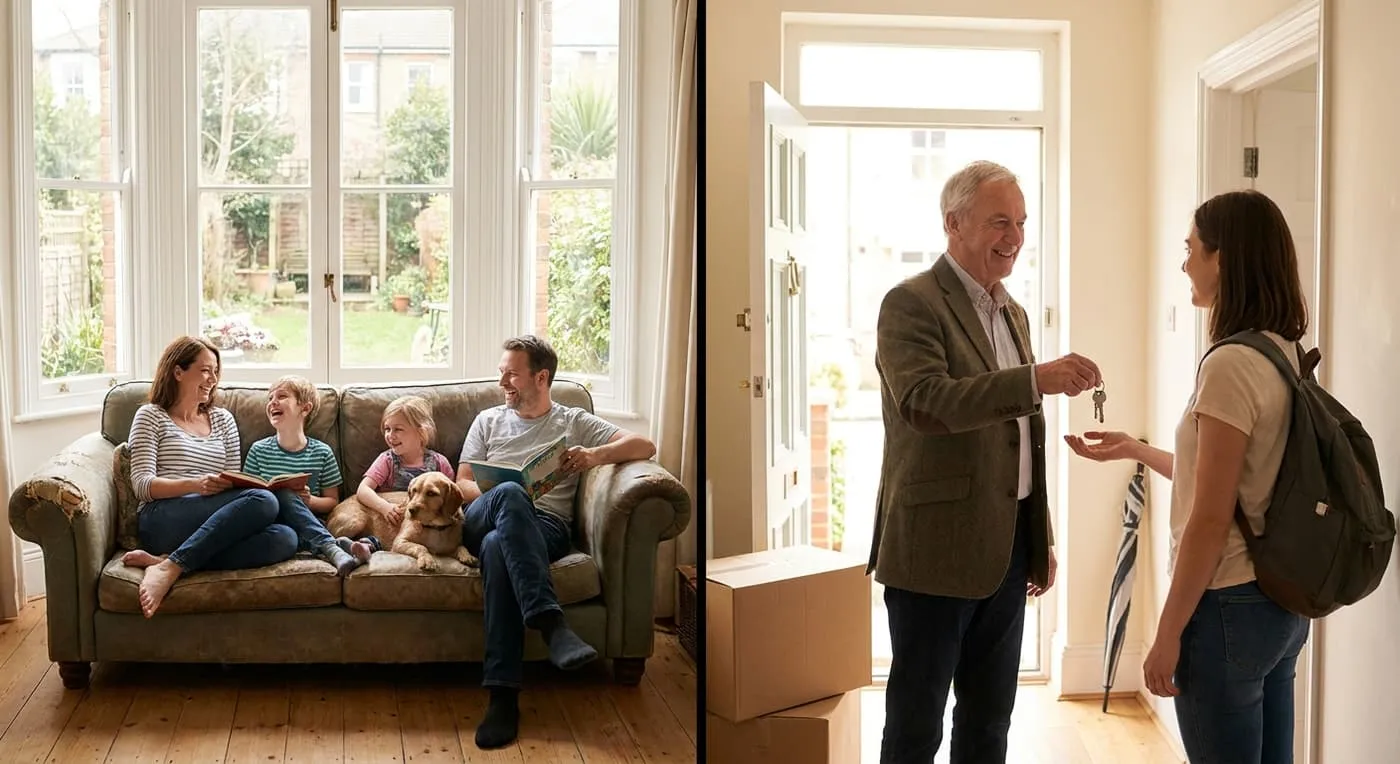
Understanding the Basics: Home vs. Landlord Policies
Understanding Standard Home Insurance
Standard property policies are built around the assumption that the owner lives in the dwelling. This coverage protects the physical structure against unexpected perils like fire or windstorms. It also extends to the owner’s personal property, safeguarding furniture, electronics, and clothing. Furthermore, it includes personal liability protection, which applies if a visitor is injured on the premises or if the homeowner accidentally causes damage to someone else’s property.
Understanding Landlord Insurance
A dedicated landlord policy shifts the focus away from personal living protection toward business-related property risks. Since the owner does not reside in the building, the coverage for personal belongings is minimal, applying only to items the owner provides for the tenant’s use, such as major appliances. Instead, this policy prioritizes robust premises liability, protection for the physical structure against tenant-related risks, and coverage for lost rental income if the unit becomes uninhabitable after an insured event.
Is Landlord Insurance Part of the Home Insurance?
A frequent point of confusion is whether one policy automatically includes the other. Is landlord insurance part of the home insurance? The straightforward answer is no. Standard policies explicitly exclude coverage for long-term rental activities. While a primary residence policy might allow for minor, heavily restricted home-sharing activities if disclosed, a dedicated rental property requires a completely separate landlord policy. Attempting to use a standard owner-occupied policy for a tenanted property leaves the owner exposed to significant coverage gaps.
What Does Landlord Insurance Cover That Normal Home Insurance Doesn’t?
Key Differences: Occupancy and Risk Profiles
Insurers evaluate risk based on who occupies the space. Tenants, while often responsible, do not have the same financial stake in maintaining the physical structure as the owner. This difference in occupancy means a tenanted property faces a statistically higher risk of accidental damage, unaddressed maintenance issues, and liability claims. Specialized rental coverage accounts for this elevated risk profile, ensuring the structure remains protected even when the owner is not there to monitor it daily.
Liability Coverage: Personal vs. Premises
Liability protection operates differently across the two policy types. An owner-occupied policy provides personal liability, which follows the owner—for instance, if the owner’s dog bites someone at a local park. A landlord policy provides premises liability. This specific protection applies if a tenant or their guest is injured on the rental property due to a structural issue or maintenance failure, such as a loose handrail or an icy walkway. It protects the property owner from legal action arising directly from the condition of the rental premises.
Contents Coverage: Whose Belongings Are Protected?
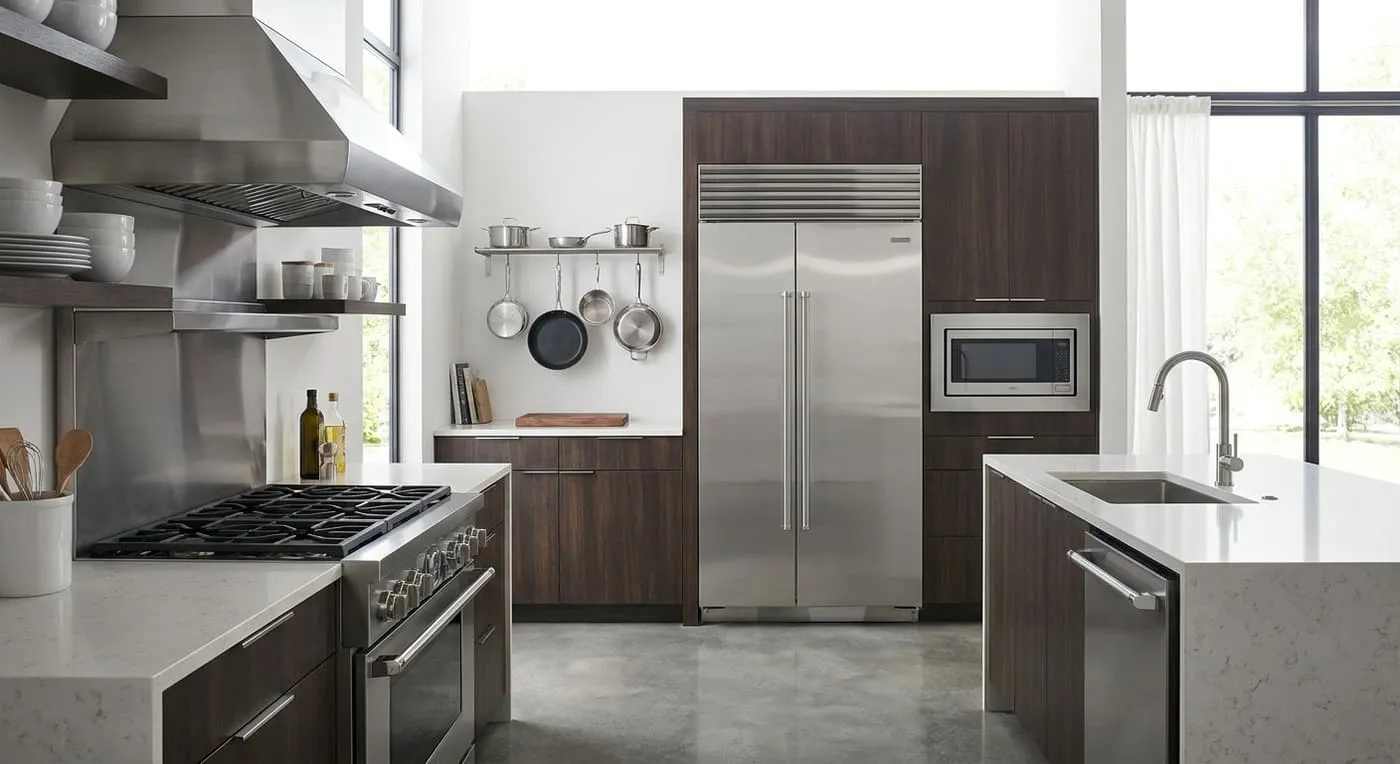
Under a standard policy, the owner’s entire household of personal belongings is covered. In a rental scenario, the landlord’s policy only covers the specific items the owner leaves on-site for the tenant to use, such as a refrigerator, washing machine, or lawnmower. We believe in educating the client first and explaining coverages in layman’s terms so you understand exactly where your policy stops and a tenant’s responsibility begins. The tenant’s own furniture, clothing, and electronics are entirely excluded from the landlord’s policy, making it vital for tenants to secure their own renter’s coverage.
Does a Property Investor Need to Have Both?
Renting Out a Basement Suite or Laneway House
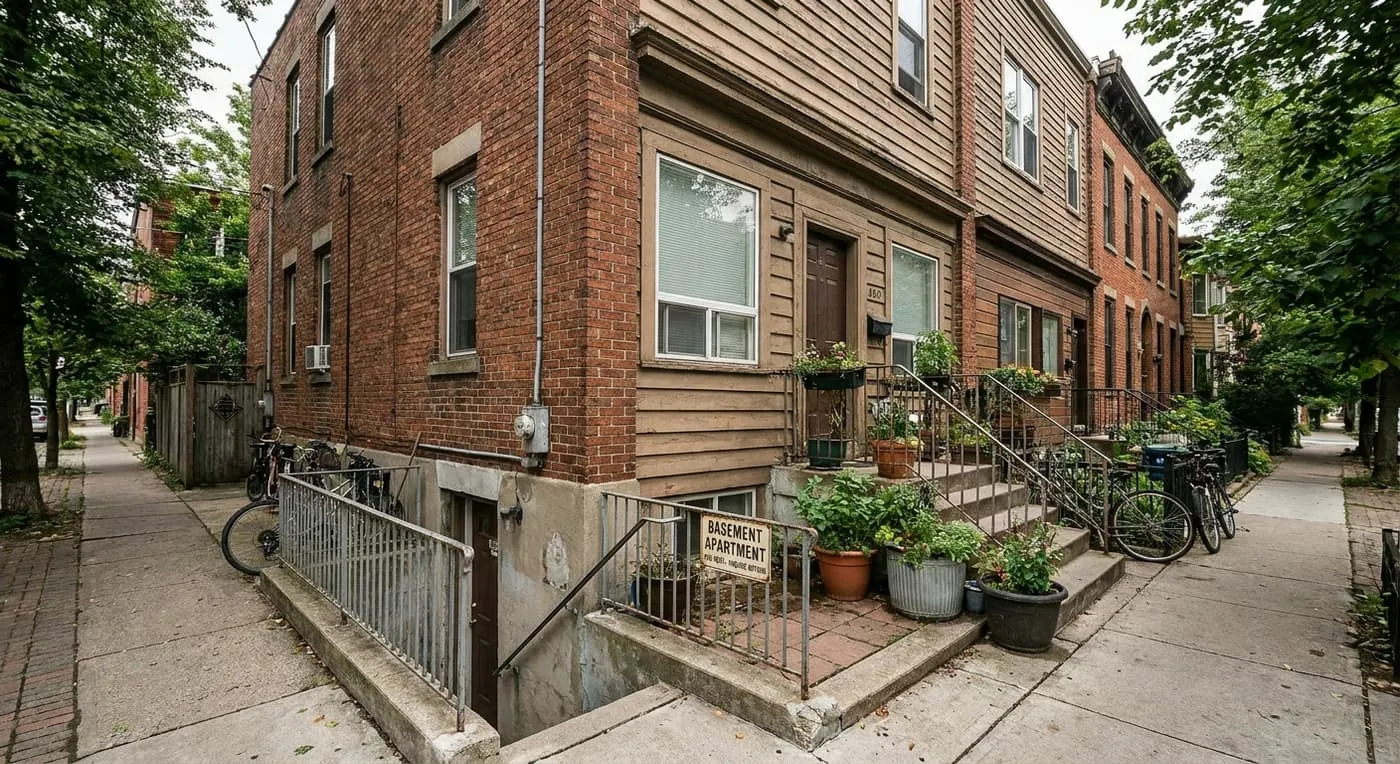
When considering whether to carry multiple policies, does a property investor need to have both? The answer depends entirely on the layout and usage of the properties. If an owner lives in the main house and rents out a basement suite or a detached laneway house on the same lot, they generally do not need a separate standalone landlord policy. Instead, they must notify their provider and add a specific rental suite endorsement to their existing owner-occupied policy. This endorsement adjusts the coverage to account for the tenant’s presence while keeping the primary residence protected under one unified plan.
Short-Term Rentals and Strata Properties
For investors who own a secondary property exclusively for renting, a separate landlord policy is mandatory. The situation becomes more nuanced with short-term rentals or strata-titled properties. Short-term rentals experience high turnover, requiring specialized commercial-grade protection that standard landlord policies may not offer. For tenanted strata units, the investor needs a rented condo policy. This covers the interior upgrades, landlord-owned appliances, and unit-specific liability, while the strata corporation’s master policy handles the exterior building envelope and common areas.
The Risks of Using Standard Home Insurance for a Rental
Failing to transition to the correct policy type carries severe consequences. Insurance contracts are based on the principle of utmost good faith, requiring accurate disclosure of how a property is used. If an owner rents out a house but maintains a standard owner-occupied policy, the provider is operating under false information. Should a fire or severe water leak occur, the provider can completely deny the claim upon discovering the undisclosed tenancy. This leaves the owner personally responsible for all structural repairs and potential legal action from the tenant, effectively turning a valuable asset into a massive financial liability.
Securing the Right Coverage for Your Property
Understanding the distinction between these policies is the first step in responsible property management. Standard coverage is designed for the place you live, while specialized rental protection is built for the spaces you lease to others. Transparent communication with your provider about who occupies your property ensures that your investment remains fully protected against structural damage, liability claims, and unexpected income disruptions. Reach out to our team today to review your current setup and ensure your properties have the precise protection they require.